
If you’ve ever had a sore spot in your mouth that wouldn’t go away, you know how quickly your mind can spiral. Is it just a canker sore? Did you burn your tongue on pizza? Or is it something more serious?
That uncertainty is exactly why an oral cancer screening is so important. At Tolley Dental, we build screening into routine care so we can spot changes when they’re small, when they’re easier to treat, easier to explain, and far less likely to disrupt your life.
If you’re searching for oral cancer screening Winchester VA, you’re in the right place. Below, we’ll walk through what oral cancer is, the early signs we look for, how the screening works, and when you should schedule an appointment.
Oral cancer is a type of cancer that can develop in the oral cavity, including the lips, gums, tongue, inner cheeks, the floor of the mouth, and the roof of the mouth. It can also involve nearby areas like the throat (oropharynx) and may show up as changes in tissue, sores, or lumps.
One of the most frustrating things about oral cancer is that it doesn’t always announce itself loudly. Some people have obvious symptoms early on; others have changes that are nearly invisible until the disease progresses. That’s why early detection is not just a nice bonus, it’s the whole point.
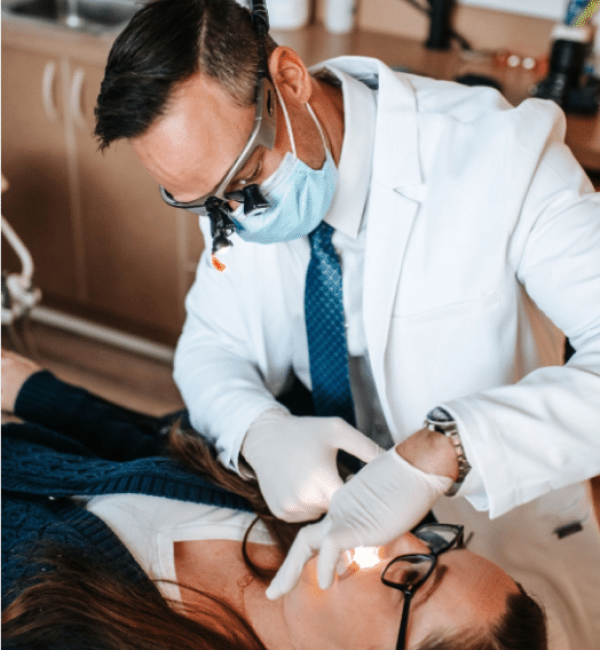
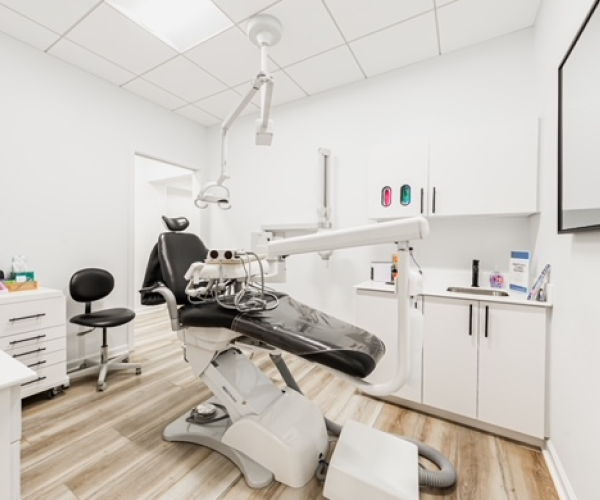
We recommend regular oral cancer screenings for adults as part of routine dental exams, especially if you have any factors that increase your risk. Even if you feel fine, your dentist may be able to detect oral cancer changes you can’t see yourself.
Your risk can be higher if you:
And yes, people who don’t smoke or drink can still develop oral cancer. That’s another reason we take screening seriously for a wide range of patients.
A lot of people expect oral cancer to be painful. Sometimes it is. Sometimes it isn’t. The goal is to pay attention to changes that don’t fit the usual pattern of healing.
Common early signs and symptoms can include:
Sometimes the symptoms are functional rather than visible. People may notice difficulty with chewing or swallowing, or even chewing difficulty moving the jaw comfortably. Others report changes in speaking, like their tongue doesn’t move the way it used to, or certain words feel harder to form.
If you notice any of these signs (especially if they stick around beyond two weeks), it’s worth booking an appointment.
An oral cancer screening is fast, non-invasive, and typically performed during your regular dental visit. It’s not something you need to “prepare” for like a medical procedure. It’s more like a careful, methodical inspection, because your mouth has a lot of terrain, and small abnormalities can hide in plain sight.
At Tolley Dental in Winchester, our team will:
This isn’t just a quick glance with the naked eye. We’re looking for subtle changes in color, texture, symmetry, and tissue integrity, the kind of things most people don’t notice in a bathroom mirror.
People sometimes assume we can spot oral cancer the same way you’d spot a cut on your hand. But many concerning changes start out as tiny surface differences: a slightly thickened patch, a small sore that looks “off,” a texture change that doesn’t match the surrounding area.
Also, your own view is limited. You can’t easily see the back of your tongue, under it, or the back of your throat. And even if you could, it’s hard to know what’s normal. That’s why regular oral cancer screenings matter, your dentist has a baseline and knows what changes are worth investigating.
If we see something that concerns us during your oral cancer screening, we don’t jump straight to worst-case scenarios. Many mouth sores and irritations are benign, caused by biting, sharp teeth, dry mouth, or inflammation.
But we also don’t ignore it.
Depending on what we find, we may:
A biopsy can sound intimidating, but it’s simply a way to get clarity. It’s like sending a “mystery spot” to the lab for analysis so we’re not guessing.
Two of the biggest preventable contributors to oral cancer are tobacco use and heavy alcohol consumption. Each one increases your risk, and together, they can compound it.
If you’re looking for lifestyle changes that can reduce your risk, consider:
Lifestyle changes don’t guarantee prevention, but they can shift the odds in your favor. And paired with early detection, they’re a powerful combination.
For many adults, oral cancer screening is performed during routine dental exams, often every 6 months. If you have higher risk factors, your dentist may recommend a more frequent screening schedule.
The key is consistency. A single screening is helpful; repeated screenings create a timeline. That timeline helps us recognize what’s new, what’s changing, and what needs attention.
If you’re unsure, schedule an appointment and ask. We’ll tailor recommendations to your health history and your comfort level.
In a community like Winchester, people are busy, work schedules, school pickups, commuting, caring for family. Health tasks can slide down the list until something hurts.
But oral cancer doesn’t always hurt early on. That’s why we treat screening as a normal part of dental care, not a dramatic add-on. Our goal at Tolley Dental is to make preventive care feel doable and human, clear explanations, a calm pace, and a team that takes your concerns seriously.
If you live in Winchester or nearby areas like Woodstock and the surrounding Shenandoah Valley, having a trusted dental office for consistent screenings can make it easier to stay on track year after year.
If you notice changes in your mouth that don’t improve, don’t wait for your next routine visit. Schedule an appointment sooner if you have:
It may be nothing. But if it’s something, getting it detected early can change the entire story.
Preventive dentistry isn’t only about cavities and cleanings, it’s about protecting your overall health. An oral cancer screening is a simple step that can have an outsized impact, especially when it leads to early detection.
If you’re looking for oral cancer screening Winchester VA, schedule an appointment with Tolley Dental. Our team will examine your mouth, evaluate any signs or symptoms, and help you understand what we see, plain language, no panic, no pressure.
Ready to schedule? Call our Winchester office or request a visit online, and let’s keep your smile, and your peace of mind, on solid ground.