
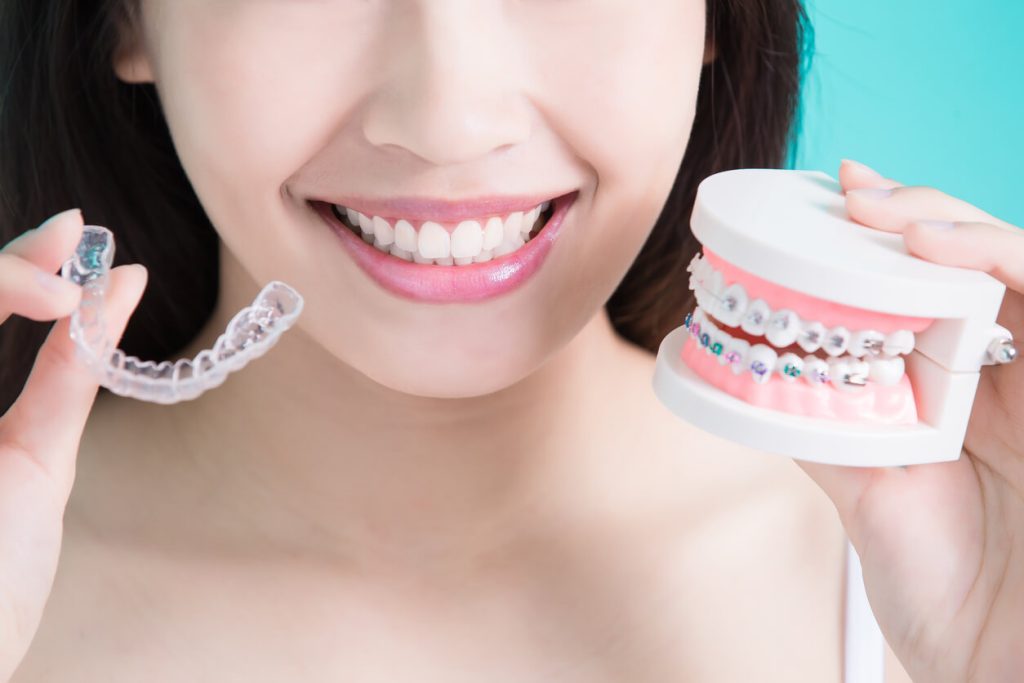
Choosing the best way to straighten your teeth or address dental issues can be a game-changer for both your oral health and your confidence in your smile. Two top contenders in the world of orthodontics are Invisalign and braces. Studies show braces often have higher success rates than Invisalign in correcting complex malocclusions, as Invisalign may not achieve as many planned treatment goals due to limitations in tooth movement.
With orthodontic technology advancing more than ever, people are looking for solutions that blend effortlessly into their daily lives while still delivering great results. By comparing Invisalign and braces, you’ll discover which path might be right for you, depending on your unique dental needs and personal preferences.
What Is Invisalign?
Invisalign uses a series of transparent aligners or plastic aligners to gently shift misaligned teeth. These invisible aligners offer a discreet treatment option as they are barely noticeable. Designed for comfort, Invisalign allows for the natural movement of the teeth, gradually moving them into place without the discomfort associated with metal brackets or metal wires.
For those wondering which one is better: braces or Invisalign, it often comes down to personal preference and specific dental needs. Invisalign provides a modern alternative to traditional braces, appealing to those looking for a more subtle and comfortable solution.
Advantages of Invisalign
- Discreet Option. The transparent aligners offer a nearly invisible solution, making it an ideal choice for individuals seeking a more subtle orthodontic treatment. This is particularly appealing to adults and teens who wish to straighten their teeth without drawing attention to their dental work.
- Comfort. Invisalign aligners are crafted from smooth plastic, which significantly reduces the irritation commonly associated with metal wires and brackets. This comfort-focused design allows wearers to experience minimal discomfort during their daily activities.
- Shorter Treatment Duration. Typically, the duration of Invisalign treatment ranges from 6 to 18 months, which is often shorter than the average treatment time for traditional braces. This allows patients to achieve their desired results more quickly while maintaining the flexibility of their routines.
- Fewer Orthodontic Visits. With Invisalign, progress is monitored every 2 to 3 months, thereby reducing the frequency of necessary orthodontic care visits. This can be particularly beneficial for those with busy schedules who seek a convenient treatment plan.
- Dietary Freedom. Removable aligners mean there are no restrictions on sticky or crunchy foods, which would typically be off-limits during traditional braces treatment. This dietary flexibility allows you to maintain your preferred eating habits without compromising the effectiveness of your treatment.
- Enhanced Oral Hygiene. Since the trays are removed during brushing and flossing, it becomes easier to maintain oral hygiene and helps prevent tooth decay. This allows patients to keep up with an effective dental hygiene routine throughout their treatment.
Disadvantages of Invisalign
- Not suitable for Complex Cases. Invisalign may not be effective in addressing severe misalignments or complex dentofacial orthopedic issues, whereas traditional braces can offer more comprehensive solutions. This limitation in capability means that patients with complex alignment problems may not achieve the desired results with Invisalign alone.
- Requires Discipline. To achieve successful results, Invisalign aligners need to be worn consistently for at least 22 hours each day, requiring a high level of dedication from the wearer. Not following this guideline can delay treatment progress and potentially compromise the effectiveness of the treatment plan.
- A bit inconvenient. The need to remove aligners before eating can be cumbersome, especially when dining out or snacking. Additionally, individuals must engage in thorough cleaning of their teeth and aligners before reinserting them to avoid food particles from contacting and affecting their teeth, adding extra routine steps to their daily lives.
What Are Traditional Braces?
Traditional metal braces consist of metal brackets affixed to the teeth, connected by metal wires that apply pressure to the teeth to achieve alignment. Additional components, such as rubber bands, are often used to aid the adjustment process. While traditional metal braces are a powerful treatment method, there are other types of braces, like ceramic braces and lingual braces, that cater to different preferences, providing varied cosmetic and functional benefits.
The answer to “Invisalign vs braces, which is better?” depends on individual preferences, the complexity of the dental issues, and lifestyle considerations. Consulting with an orthodontic professional can help determine the most suitable option for achieving the desired results while balancing functionality with cosmetic appeal.
Advantages of Braces
- Treats a Wide Range of Cases. Braces are highly effective in addressing a broad spectrum of dental alignment issues, from moderate to severe misalignments. By exerting consistent pressure, they can successfully correct crowded teeth, complex bite problems, and other challenging dental irregularities, making them a versatile solution in orthodontic care.
- No Need for Self-Discipline. Unlike removable aligner options, braces are fixed appliances that don’t rely on patient compliance for effectiveness. This means that they consistently work towards achieving the desired alignment without needing the wearer to remember to put them back on, maintaining continuity in treatment progress.
- Popular Choice for Children. Braces are often advised for young patients because they can effectively direct the growth of permanent teeth into their proper places. Requiring minimal self-management, they are an ideal choice for children, providing effective treatment without the inconvenience of frequent removal or replacement.
Disadvantages of Braces
- Appearance. Braces are composed of visible metal brackets and wires, which can be quite noticeable and may affect the wearer’s aesthetic confidence, especially in social or professional settings. For some, the prominence of metal braces can lead to self-consciousness about their smile during the treatment period.
- Discomfort. The metal wires and brackets can cause irritation and discomfort in the mouth, often leading to soreness in the cheeks and gums as they rub against the soft tissues. This discomfort can also be exacerbated when the braces are adjusted or tightened, leading to temporary soreness that may require pain management.
- Longer Treatment Duration. On average, individuals may need to wear braces for around two years, and complex cases might extend the treatment duration even further. This extended timeframe requires a long-term commitment and patience, as results are achieved gradually over the entire period.
- Dietary and Hygiene Challenges. Braces need dietary adjustments, with restrictions on sticky, hard, or crunchy foods that could damage the brackets or wires. Maintaining oral hygiene can also be more challenging with braces, as food particles can become trapped, requiring meticulous cleaning routines to prevent plaque buildup and tooth decay.
Invisalign Vs. Braces: Their Differences
Invisalign | Braces | |
Appearance and Aesthetics | Invisalign aligners are made from a clear plastic material, making them virtually invisible when worn. This discreet nature is a major attraction for teens and adults who wish to straighten their teeth without the metallic look associated with traditional braces. | Braces consist of metal or ceramic brackets affixed to the teeth, connected by wires and rubber bands. While modern braces have come a long way in terms of aesthetics, offering options like tooth-colored brackets, they are still more noticeable than Invisalign. |
Comfort and Convenience | Invisalign aligners are known for being relatively comfortable. Since they are custom-made from smooth plastic, they’re less likely to irritate the inside of your mouth. They are also removable, which means you can take them out when eating or brushing your teeth, making oral hygiene much simpler. | With braces, you can’t remove them until treatment is complete, which means they could cause discomfort as your teeth move. The brackets and wires can sometimes irritate the inside of your cheeks and lips, especially right after adjustments. On the plus side, since they are always on, there’s less temptation to skip wearing them, which might be a factor with removable options like Invisalign. |
Effectiveness for Complex Issues | While Invisalign has advanced significantly and can handle a variety of dental issues, it may not be as effective as braces for more complex cases. Serious misalignments or bite issues sometimes require the precision that only brackets and wires can provide. | Braces are highly versatile and can tackle a wider range of dental problems, including severe overcrowding and significant bite misalignments. Orthodontists can make precise adjustments with braces, leading to more accurate results for complicated issues. |
Treatment Duration and Follow-Ups | The duration of Invisalign treatment can be comparable to braces, often ranging from 12 to 18 months. However, it requires discipline from the wearer—aligners must be worn for about 20 to 22 hours per day. Regular check-ins every 6-8 weeks are common to monitor progress and provide new sets of aligners. | Traditional braces might also take 18 to 24 months to complete treatment, but they offer continuous force on the teeth, which may be necessary for tough realignment. Visits to the orthodontist are typically scheduled every 4-6 weeks for adjustments. |
Lifestyle Impact | Being removable, Invisalign has less impact on your daily life. You can eat what you like without worrying about food getting stuck, but you do need to brush your teeth after eating before putting your aligners back in. If you play sports or musical instruments, you may find it easier with aligners compared to braces. | With braces, you’ll need to be mindful of the foods you eat—chewy, sticky, or hard foods could damage the wires or brackets. Brushing and flossing require more effort to maneuver around the hardware, and you may need a special mouthguard for sports. |
Each option comes with its own set of benefits and challenges. Your choice between Invisalign and braces should consider factors like the complexity of your dental concerns, your lifestyle, and personal preferences when it comes to appearance and convenience. Consulting with an orthodontist can provide tailored advice to meet your specific needs and help you embark on the best path toward a straighter smile.
Invisalign Vs. Braces: Comparing Costs
The average cost of braces and Invisalign varies based on treatment goals and case complexity. Traditional metal braces can range from $3,000 to $7,000, while Invisalign often falls between $3,500 and $8,000. The choice of appliance and the extent of orthodontic issues significantly impact cost. Many practices offer monthly payment plans and work with dental insurance plans and insurance providers to offset treatment expenses.
Take note that these costs can also be influenced by:
- Geographical location
- The experience level of the orthodontist
- Length of the treatment
- Number of follow-up visits required
- The specific technology used
- Any additional orthodontic treatments or appliances needed aside from the main treatment
Factors to Consider Before Making the Decision
- Personal Preferences. Aesthetics play an essential role, especially for individuals who prioritize a discreet orthodontic solution. Consider how each option aligns with your daily lifestyle and whether you’re comfortable with visible braces or prefer the subtle nature of Invisalign.
- Oral Hygiene. Each treatment involves a unique hygiene routine, with Invisalign providing a smoother adjustment thanks to its removable aligners. Think about your readiness to follow the specific cleaning and maintenance practices required for either option to achieve effective results and maintain good dental health.
- Complexity of Orthodontic Issues. The severity of dental misalignment can dictate the most appropriate treatment method, with braces typically providing a broader range of correction capabilities. It’s essential to evaluate whether your case involves simple alignment needs or more complex issues that might require the robust capabilities of traditional braces.
- Age and Discipline. Younger patients may need to consider the ease of managing their treatment, as braces offer a fixed solution that doesn’t rely on their discipline. Adults and responsible teens who can commit to wearing aligners for the required hours might find Invisalign more suited to their needs.
- Lifestyle. Your daily activities and habits can influence the choice between braces and Invisalign. For those with active lifestyles or who participate in sports, Invisalign may offer more flexibility as aligners can be removed during activities. Additionally, consider any dietary preferences or restrictions, as braces may require dietary adjustments to avoid damage.
Invisalign or Braces? Let Tolley Dental Guide Your Choice!
In examining Invisalign vs braces, we see that each has distinct advantages and considerations. Both options can lead to a straight smile and improved oral health. It’s vital to weigh your unique dental circumstances and consult with a professional to decide which is better braces or Invisalign.
Ready to achieve the smile of your dreams? At Tolley Dental, our expert team is here to guide you on your journey to a healthier, more confident smile. Whether you’re deciding between Invisalign or braces, we’ll provide tailored advice that matches your unique needs and aspirations. Our focus is on making your experience comfortable and satisfying every step of the way.
Don’t wait any longer—reach out to Tolley Dental today and take the exciting first step towards transforming your dental health and boosting your confidence!