
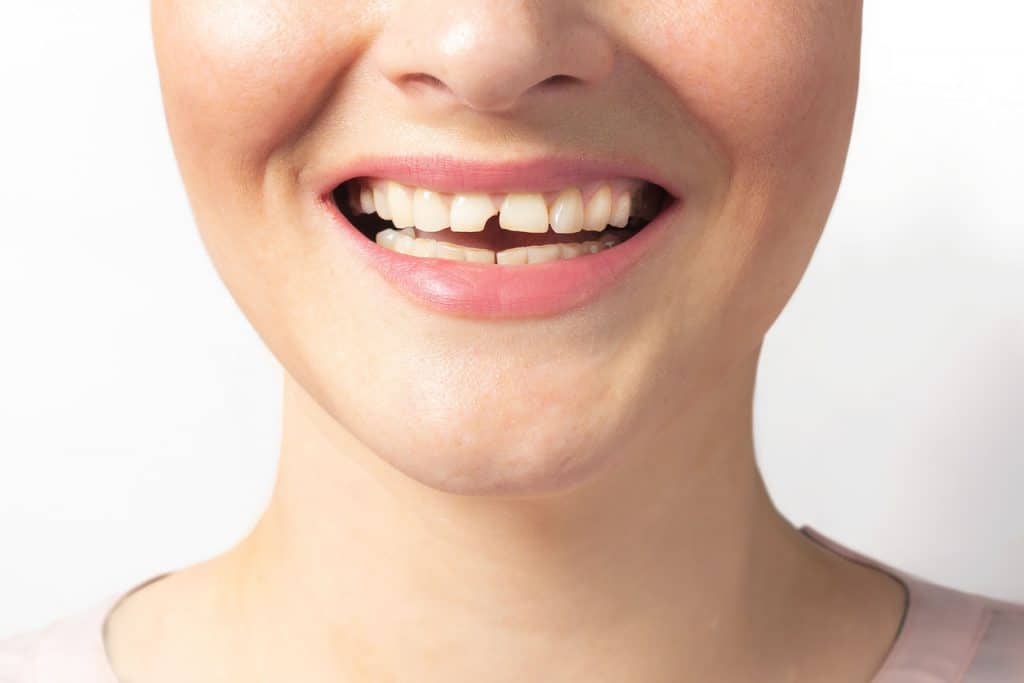
Dental bonding is a popular, affordable way to repair chipped, stained, or misshapen teeth and refresh your smile with minimal hassle. These types of concerns are often referred to as aesthetic issues, which dental bonding can effectively address. But even as its popularity grows, one question lingers in many patients’ minds: Is dental bonding bad for your teeth?
Before you consider this treatment, it’s natural to want detailed, trustworthy information about its risks, benefits, alternatives, and how it affects your natural teeth. This article delivers all the essential facts, clearing up misconceptions and helping you make an informed choice about dental bonding.
What Is Dental Bonding?
Dental bonding, which is also called composite bonding, is a cosmetic dental treatment where tooth-colored composite resin material is molded and attached to your teeth. This dental procedure uses a resin material that is carefully shaped to conceal flaws, then hardened with a special light for a natural, durable finish.
Composite bonding is often finished in one visit or appointment, without needing much preparation or special lab work.
Common Uses for Dental Bonding:
Teeth bonding is a cosmetic solution used for a variety of dental concerns, including:
- Repairing chips and minor cracks in teeth
- Disguising stains and discoloration that don’t respond to whitening
- Using bonding to close gaps between teeth
- Making teeth appear longer or changing their shape
- Protecting exposed roots due to receding gums
It is suitable for people with healthy gums and teeth who want to fix minor cosmetic problems without major dental procedures.
The Dental Bonding Procedure: Step-by-Step
Getting a tooth bonded is a straightforward and typically pain-free cosmetic procedure performed by dentists, often cosmetic dentists, who are skilled in achieving natural-looking results:
- Color Matching: Your dentist chooses a resin color that matches your natural teeth. This helps make sure the bonded area looks natural and blends in well. The dentist may use a shade guide to compare colors under different lighting conditions for the best match.
- Surface Preparation: The tooth’s surface is gently roughened, usually by light etching, removing only a microscopic amount of enamel, if any. This process helps the bonding material adhere better to the tooth. Using high-quality bonding materials at this stage is essential for the durability and longevity of the treatment. It is a minimally invasive step that preserves the natural tooth structure while preparing it for the resin.
- Bonding Application: The moldable resin is carefully applied to the surface of the original teeth, sculpted, and smoothed for a natural look. The dentist shapes the resin to correct cosmetic imperfections like chips or gaps. This stage requires precision to ensure the composite resin matches the tooth’s exact shape and contours.
- Curing The Resin: A blue light is used to quickly harden and set the material. This special curing light activates the resin’s chemical properties, making it durable and strong. The process usually takes just a few seconds per layer, allowing the dentist to build up the resin in multiple stages if needed.
- Final Shaping And Polishing: After hardening, the dentist refines the shape and polishes the surface. This step enhances the bonding material’s light reflecting properties, giving it a natural enamel-like sheen. Proper polishing also ensures a smooth finish that feels comfortable and looks aesthetically pleasing.
Typical duration: About 30–60 minutes per tooth. Usually, no anesthesia is needed unless used for decay or sensitive areas.
Does Dental Bonding Damage Your Teeth?
Properly performed dental bonding does not damage your healthy tooth structure. In fact, it’s considered one of the most conservative cosmetic dental treatments available, preserving the natural tooth enamel while enhancing your smile. Dental bonding is a non-invasive dental treatment, meaning it does not require significant drilling or surgery and is generally pain-free.
With minimal enamel removal and careful application, dental bonding provides a protective layer that maintains the integrity of your teeth without compromising their health. There is little to no recovery time after dental bonding, and patients can resume normal activities immediately.
- Minimal Enamel Removal: Most of your natural tooth remains untouched. The slight roughening that’s needed doesn’t weaken the enamel.
- No Major Drilling: Unlike crowns or veneers, which require substantial reduction of the tooth, bonding leaves your tooth structure almost fully intact.
- Adds a Protective Layer: The composite resin can even protect vulnerable areas, such as minor cracks, chipped or cracked teeth, or exposed roots, from damage or sensitivity.
Misconceptions and Myths
“Bonded teeth are permanently altered.” Bonding is generally reversible. If you change your mind or need new treatment, the composite can be removed with little effect on your original tooth.
“Bonding weakens the tooth.” There’s no evidence that properly done bonding compromises a tooth’s strength or function.
“If bonding fails, my tooth is ruined.” When bonding chips or wear down, your dentist can simply repair or replace them. The underlying tooth remains essentially intact. The longevity of bonding depends on many factors, such as your oral hygiene and habits.
Size and Shape Limitations
While dental bonding is a versatile option for correcting minor cosmetic imperfections, it does have its limits when it comes to changing the size and shape of your teeth. Dental bonding works best for small adjustments, such as closing small gaps, repairing chipped teeth, or subtly reshaping a tooth’s edge. However, if you’re looking to dramatically alter the shape of misshapen teeth or close large gaps, bonding may not provide the results you want.
Possible Sensitivity
After a dental bonding procedure, some patients may notice increased sensitivity in their teeth, especially when consuming hot or cold foods and drinks. This sensitivity is usually mild and temporary, often resolving on its own within a few days to a couple of weeks. Using a desensitizing toothpaste and maintaining gentle oral hygiene can help ease any discomfort during this period.
Dental Bonding vs. Other Cosmetic Options
When considering dental bonding, it’s helpful to understand how it compares to other common dental procedures. Each choice has its own advantages and drawbacks based on your unique dental goals. Here, we break down the key differences to help you make the right choice for your smile.
How does bonding compare to other common procedures?
Bonding | Veneer | Crowns | Whitening | Orthodontics | |
Tooth Prep | Minimal | Removes some enamel | Removes a significant tooth | None | None |
Invasiveness | Least | Moderate | Most | None | Low to moderate |
Durability | 3–10 years | 10–15+ years | 10–15+ years | Months–years | Permanent |
Best for | Small flaws | Stains, moderate flaws, and correct misalignment | Large fractures, decay | Tooth color | Alignment, correct misalignment, crooked teeth |
Bonding is excellent for minor corrections but not ideal for large breaks, major cosmetic issues, or those seeking the longevity and stain-resistance of porcelain.
Caring for Bonded Teeth: Maximizing Their Lifespan
Dental bonding is low maintenance, but you should take steps to keep your bonded teeth looking their best. Good dental care and keeping up with oral hygiene are key to keeping bonded teeth in great condition.
Daily Care
- Brush your teeth two times a day with a soft-bristled toothbrush and fluoride toothpaste.
- Floss every day to help prevent gum disease and cavities at the margins of the bonding.
- Avoid biting hard objects like ice, nuts, pens, or fingernails.
Lifestyle & Diet Tips
- Limit staining foods and drinks. Coffee, tea, colas, red wine, berries, and tobacco can discolor bonding.
- After eating or drinking things that can cause stains, rinse your mouth with water to reduce surface stains.
Habits to Avoid
- Don’t open packaging with your teeth.
- If you are grinding your teeth, talk to your dental professional about wearing a night guard to protect the bonding and natural teeth.
Regular Dental Visits
- See your dentist twice a year for cleanings and exams.
- Have bonding checked for chips, rough edges, or color changes. Minor issues can often be polished or quickly repaired.
Frequently Asked Questions
How long does dental bonding last?
Typically 3–10 years. Its lifespan depends on where it’s placed, how you care for it, and personal habits.
Can dental bonding be whitened?
No, the resin does not respond to whitening treatments. If you’re considering whitening your teeth, do so before bonding.
Is the bonding process painful?
Almost never. Since little to no enamel is removed, discomfort is minimal and anesthesia is usually not needed.
What if my bonding chips fall off?
Dental bonding is easy to repair. Book a dentist appointment to have it fixed; most repairs are quick and affordable.
Can dental bonding be removed?
Yes, the composite resin can be taken off if you decide to try a different cosmetic treatment later on.
Schedule Your Dental Bonding Consultation at Tolley Dental Winchester Today
Dental bonding offers a simple, minimally invasive way to enhance your smile without harming your natural teeth. If you are still wondering, “does dental bonding ruin teeth?” The answer is no—when performed by an experienced dentist, bonding is safe and designed to protect your natural enamel rather than damage it. The risks are minor and can be managed with smart, easy habits and regular dental care.
If you’re considering dental bonding, speak with your dentist to ensure it suits both your cosmetic goals and oral health needs. If you’re ready to improve your smile with expert care, visit Tolley Dental Winchester. Our skilled team is focused on providing personalized and gentle care designed to meet your individual smile goals. Schedule a consultation today and take the first step toward a brighter, healthier smile with Tolley Dental Winchester.