
Gum health is foundational not only to your oral hygiene but to your overall well-being. Two common gum conditions, gingivitis and periodontitis, are often confused, yet understanding the distinction between them is essential for preventing tooth loss and safeguarding your smile. In this guide, we’ll break down their differences, symptoms, causes, and evidence-based treatment options. This helps you confidently decide on the best options for your dental care.
What Is Periodontitis vs Gingivitis?
Many people wonder about the main distinctions between these two common gum diseases. Gingivitis is recognized as the initial stage of gum disease. and is often marked by early signs such as bleeding gums and subtle inflammation. It is important to recognize these warning signs early to prevent the condition from progressing to more severe stages like periodontitis.
Here’s a comprehensive comparison to help you better understand and recognize each condition.
Gingivitis
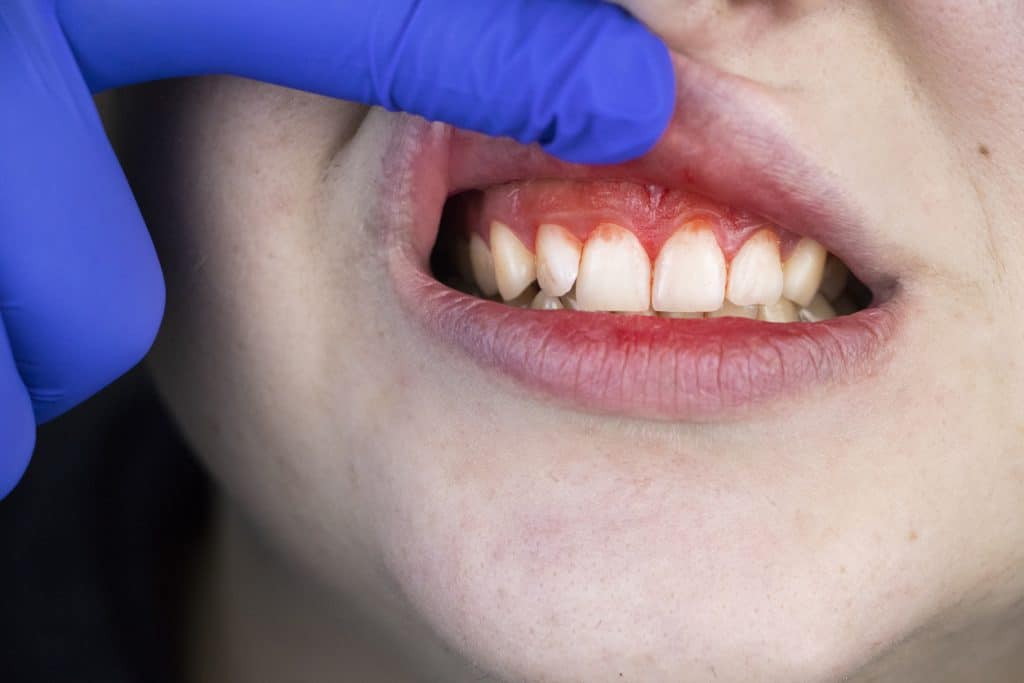
Gingivitis represents the initial and least severe stage of gum disease, marked by inflammation of the gum tissue. It’s typically caused by plaque buildup, a sticky film of bacteria, at the gumline, which leads to inflammation caused by bacterial growth. Symptoms include red, tender gums that may bleed during brushing or flossing.
Bleeding gums are a common early symptom and an important warning sign that should not be ignored. Importantly, gingivitis does not yet affect the bone or connective tissues supporting your teeth, making it a reversible stage of gum disease with prompt attention.
Periodontitis
Periodontitis is a progressive form of gum disease that may occur if gingivitis is not addressed. In its early phase, known as early periodontitis, gum pockets begin to form, and slight tissue damage appears. During this phase, the gums and bone recede from the teeth, resulting in pockets that capture debris and bacteria. As periodontitis progresses, receding gums and gum pockets become more pronounced.
Gingivitis vs Periodontitis Comparison
Although both gingivitis and periodontitis involve gum inflammation, their symptoms differ significantly in severity. It is important to recognize the early signs and warning signs of gum disease, such as bleeding gums, so you can seek care promptly:
Symptom | Gingivitis | Periodontitis |
Gum color/texture | Red, swollen, tender | Red or purple, swollen, receding |
Bleeding | During brushing/flossing (bleeding gums are an early sign) | Frequent, spontaneous, or when eating |
Bad breath | Occasional | Persistent, often offensive |
Gum recession | Rare | Common, gums pulling away from teeth |
Tooth mobility | No | Possible to severe, teeth may loosen |
Pain | Mild discomfort | Discomfort or pain when chewing |
Recognizing these differences and being aware of early signs and warning signs, like bleeding gums, can empower you to seek the right care sooner.
Causes and Risk Factors
Plaque buildup is the primary cause of both gingivitis and periodontitis, but several factors increase your risk of progression:
- Inadequate oral hygiene
- Smoking or tobacco use
- Chronic illnesses (e.g., diabetes)
- Genetic predisposition
- Hormonal changes (pregnancy, menopause)
Additional factors, including hormonal fluctuations, specific medications, and underlying health conditions, can also increase the risk of gum disease. Minimizing these risk factors is an important preventive strategy.
Diagnosis and Progression
Gum disease is typically diagnosed by a dental professional through:
- Visual Examination: Checking for gum redness, swelling, and bleeding.
- Periodontal Probing: Measuring pocket depth between teeth and gums (healthy depth: 1-3mm; deeper pockets may indicate periodontitis).
- Dental X-Rays: Assessing bone loss around teeth in advanced cases.
Regular dental checkups are vital; early gingivitis can often be detected and treated before progressing. If not managed, gingivitis may advance to periodontitis, which can require more complicated treatment and long-term care. As gingivitis progresses, the condition progresses to the later stages of gum disease, making it more difficult to treat and potentially causing irreversible damage.
Stages of Periodontitis
Periodontitis represents a progressive stage of gum disease that develops if early gum inflammation is left unaddressed. It develops gradually, advancing through multiple stages that cause increasing harm to the gums and the structures supporting the teeth. Understanding the specific stage of gum disease is crucial for selecting appropriate treatment and avoiding additional problems.
Moderate Periodontitis
Moderate periodontitis is an intermediate stage of gum disease where the infection has moved beyond the surface, causing noticeable damage to the gum tissue and the bone that supports your teeth. At this point, you may notice your gums receding and the formation of deep pockets between your teeth and gums. These deep pockets can trap bacteria and make it harder to remove plaque with regular brushing and flossing.
Advanced Periodontitis
Advanced periodontitis represents the most severe form of gum disease, marked by significant destruction of both the gums and the supporting bone structure that anchors your teeth. In this stage, deep pockets around the teeth deepen further, and the gums often recede substantially, revealing the tooth roots.
This can lead to loose teeth and a high risk of tooth loss. Treating advanced periodontitis often requires surgical procedures, such as soft tissue grafts, to repair and regenerate lost gum tissue and bone.
Gingivitis vs Periodontitis Treatment
Treatment approaches differ depending on the diagnosis and severity. Early intervention is crucial for successful outcomes. Professional cleaning is typically the initial step in managing early gum disease, helping to remove plaque and tartar before the condition progresses.
Gingivitis Treatment
- Professional Cleaning: A professional dental cleaning removes plaque and tartar from above and below the gumline, helping to stop gingivitis before it progresses. This simple procedure allows your gums to heal and regain their natural health.
- Enhanced At-Home Care: Brushing and flossing properly every day are essential for keeping gums healthy. Consistent care prevents plaque buildup and supports long-term oral wellness.
- Antibacterial Rinses: Special mouth rinses may be recommended to reduce harmful bacteria and calm inflammation. They can speed up healing and help maintain a fresh, clean mouth.
- Lifestyle Modifications: Quitting smoking and eating a balanced diet strengthen your body’s ability to fight gum disease. Healthy habits also support the success of your dental care routine.
With timely care and good daily habits, gingivitis is usually fully reversible, allowing your gums to return to a healthy, pink, and firm state.
Periodontitis Treatment
- Scaling and Root Planing (Deep Cleaning): This deep cleaning removes plaque and tartar from below the gumline and smooths the tooth roots to help the gums reattach. It reduces pocket depth and fights infection, giving your gums a chance to heal.
- Localized Antibiotic Therapy: Antibiotics can be applied directly into gum pockets to target bacteria where they thrive. This helps reduce infection and inflammation in the affected areas.
- Oral Antibiotics: When infection is widespread, oral antibiotics may be prescribed to help your body fight bacteria systemically. They work alongside other treatments to control the disease.
- Flap Surgery: Gums are gently lifted to remove deep tartar and infected tissue, then repositioned to reduce pocket depth. This helps the gums heal properly and prevents further bone loss.
- Bone or Tissue Grafting: Lost bone or gum tissue can be rebuilt to restore support and improve oral function. Grafting strengthens the foundation for your teeth and promotes long-term gum health.
What Are the Benefits of Early Detection and Treatment?
Spotting problems early leads to better outcomes for your teeth, gums, and whole-body health. Recognizing the early signs of gum disease is crucial, as early intervention can prevent progression to periodontitis, the primary cause of tooth loss in adults:
- Reduces Risk: This lowers the chance of tooth loss and the need for invasive procedures.
- Lowers Chance: It also decreases the risk of associated health issues, such as increased cardiovascular or diabetes complications (American Dental Association).
- Minimizes Discomfort: Early treatment helps reduce discomfort and overall treatment costs.
- Preserves Confidence: Maintaining gum health supports your confidence in your smile and oral function.
Prompt attention to gum symptoms, however mild, can make a lasting difference.
Frequently Asked Questions
Can gingivitis turn into periodontitis?
Yes. As gingivitis progresses, it can progress to severe gum disease if left untreated. If gingivitis is not treated early, it may advance into periodontitis, a more serious stage of gum disease and can lead to permanent damage.
How do I know if I have gingivitis or periodontitis?
Typical symptoms of gingivitis include redness, swelling, and bleeding of the gums. Periodontitis often involves gum recession, persistent bad breath, the development of deep gaps between the teeth and gums, along with tooth mobility. A dental professional can offer a precise diagnosis.
Is it possible to reverse gum disease on my own?
Gingivitis is frequently reversible through enhanced oral care practices, but periodontitis requires professional treatment to manage. Early intervention is key.
How often should I visit the dentist to prevent gum disease?
Most people benefit from professional cleanings and checkups every six months. However, if you have risk factors or existing gum disease, your dentist might suggest scheduling more regular appointments.
Are there lifestyle factors that increase the risk of gum disease?
Yes. Smoking, unmanaged diabetes, stress, poor oral hygiene, and certain medications can increase your risk.
Take Charge of Your Gum Health With Tolley Dental
Don’t wait until minor gum irritation becomes a major problem. The friendly, experienced team at Tolley Dental is here to help you maintain healthy gums and a beautiful smile. Schedule your comprehensive gum health assessment today and experience customized care throughout your entire journey.
Contact us now to book your appointment or ask about our preventative and periodontal treatments. Your smile deserves the very best!