
If you’ve ever wondered when wisdom teeth finally make their appearance, you’re asking a question many people have as they approach their late teens or early adulthood. These third molars follow a much later and often unpredictable eruption timeline compared to the rest of your adult teeth. Knowing what to expect can help you recognize early signs, protect your oral health, and understand when it may be time to monitor or remove them.
In this guide, we break down when wisdom teeth typically erupt, why impaction occurs, what symptoms to watch for, and how your dentist determines the best course of action. By learning to identify the indicators of wisdom teeth coming in and understanding the process behind their growth, you can stay ahead of potential complications and maintain a healthy smile.
When Do Wisdom Teeth Usually Appear?
Most people’s wisdom teeth start forming inside the jaw in the early teen years and typically appear between the ages of 17 and 25, though exact timing varies, and not everyone develops all four wisdom teeth. A dentist can detect them early with dental X-rays to assess space and position, helping guide whether monitoring or removal is best for maintaining oral health.
Factors like genetics, jaw size, and tooth angle influence eruption timing and potential impaction, which can cause pain, swelling, or infection. Routine dental check-ups enable timely identification and proper treatment to prevent complications and protect neighboring teeth.
Understanding Wisdom Teeth Eruption Timing
Now that we’ve set expectations for age, let’s explore how wisdom teeth start developing, what affects the entire process, and which symptoms suggest it’s time to call your dentist. Some individuals may experience pain or discomfort as their wisdom teeth erupt, while others may have little to no symptoms at all.
What Are Wisdom Teeth and Why Do We Have Them?
Wisdom teeth, also called third molars, are the last permanent teeth to come in to form and sit at the very back of the mouth. They once helped our ancestors chew rough diets, but modern jaws often don’t have enough room for them to come in comfortably.
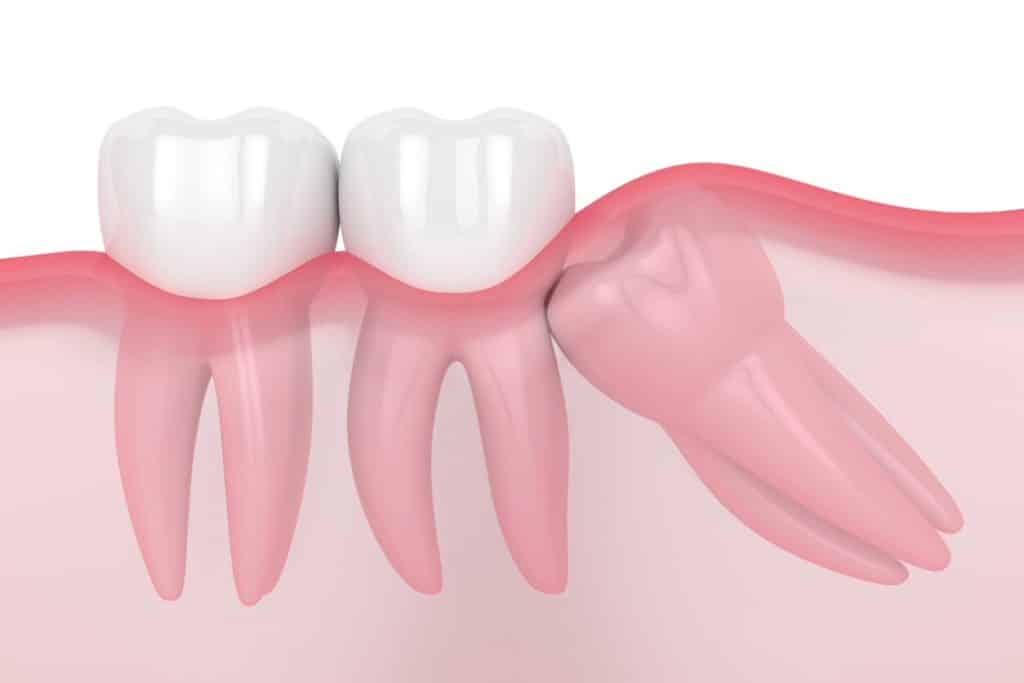
This space mismatch can lead to impaction, crowding pressure on neighboring teeth, or difficulty keeping the area clean, though some people have adequate space and retain healthy third molars for life.
Development Stages: Calcification, Crown, and Roots
Before wisdom teeth erupt, the tooth calcifies deep within the jaw. Typically, the crown begins to form around ages 9–14, while the root develops during the later teen years and into the early twenties. The entire process is gradual and varies by person, jaw, and bone density; exact timing depends on genetics, available space, and how the tooth is angled.
Signs Your Wisdom Teeth Are Coming In
Common signs that your wisdom teeth are coming in include:
- A dull ache or pressure behind your last molars
- Tender or bleeding gums around a partially erupted tooth
- Jaw pain that flares when chewing
- Swollen gums
- An unpleasant taste in the mouth
- Persistent bad breath or a bad smell caused by plaque buildup around the gum flap
- Pain or discomfort when attempting to open your mouth wide; swelling or pressure from wisdom teeth coming in can make it difficult for some people to fully open their mouths
If you experience more severe symptoms such as intense pain, fever, or swelling that spreads, it is important to call a dental professional promptly to reduce the risk of infection.
Factors That Affect the Age of Eruption
The amount of space behind your second molars plays a crucial role in whether wisdom teeth erupt properly or become impacted. If there is enough room, wisdom teeth are more likely to come in fully; if not, they may become impacted. Several factors influence this process, including:
- Tooth angle and proximity to nearby teeth, which can create pressure on neighboring teeth and slow or block eruption.
- Overall growth patterns of the jaw and oral structures.
- Oral hygiene habits that affect gum and tooth health during eruption.
- A history of orthodontic treatment, which, while not changing eruption timing, may lead your dentist to recommend retainers to protect other teeth.
If a wisdom tooth becomes an impacted wisdom tooth, it can cause pain, swelling, or infection, and may require treatment.
These factors collectively help your dental professional decide on monitoring plans and appropriate care during wisdom teeth eruption.
When To See an Oral Surgeon
Oral surgeons are the go-to specialists when impaction is likely, roots are curved, or imaging shows close proximity to nerves or the sinus. They have the advanced training to manage complex cases safely and can walk you through sedation choices, recovery expectations, and potential risks in a clear, reassuring way.
If you’re experiencing persistent swelling, jaw stiffness, or recurring infections around the wisdom tooth area, an oral surgeon can assess whether removal is the most predictable solution. They also consider factors like your age, bone density, and how far the tooth has developed to determine the safest timing for treatment.
By seeing a specialist early, you gain a more accurate understanding of your options and reduce the chances of painful complications later on.
FAQs
Have more questions? These quick answers highlight common signs, when wisdom teeth erupt, and when to see a professional.
Can wisdom teeth cause crowding after braces?
Erupting wisdom teeth can cause pain or pressure in the back of the jaw, but front‑tooth crowding is multifactorial and mostly related to natural shifting. Reviews in orthodontic literature, including British journal discussions, report that prophylactic removal doesn’t reliably prevent anterior crowding. Wearing your retainer as directed is still the best strategy.
Is it better to remove wisdom teeth before they cause problems?
Early removal can simplify surgery when roots are shorter and bone is more flexible, which some oral surgeons prefer in select cases. However, many healthy, accessible wisdom teeth can be monitored with regular dental visits, and removal is only recommended if risks emerge. Your dental professional will review imaging and symptoms and help you choose the best course.
Schedule Your Wisdom Teeth Evaluation at Tolley Dental Today
To sum it up, most people experience wisdom teeth eruption between ages 17 and 25, but the timing and development can vary significantly depending on genetics and available jaw space. When these molars don’t have enough room to grow, they may become impacted, causing issues such as discomfort, swelling, or infections.
At Tolley Dental, we make wisdom teeth evaluations straightforward, informative, and centered around your comfort. Our team takes the time to review your X-rays, explain what’s happening below the surface, and recommend the safest option for your situation—whether that’s monitoring, early intervention, or referral for specialized care. With clear guidance and personalized attention, you’ll feel confident knowing you’re making the best decision for your oral health.
Book your wisdom teeth evaluation today and prevent future pain, and keep your smile healthy.