
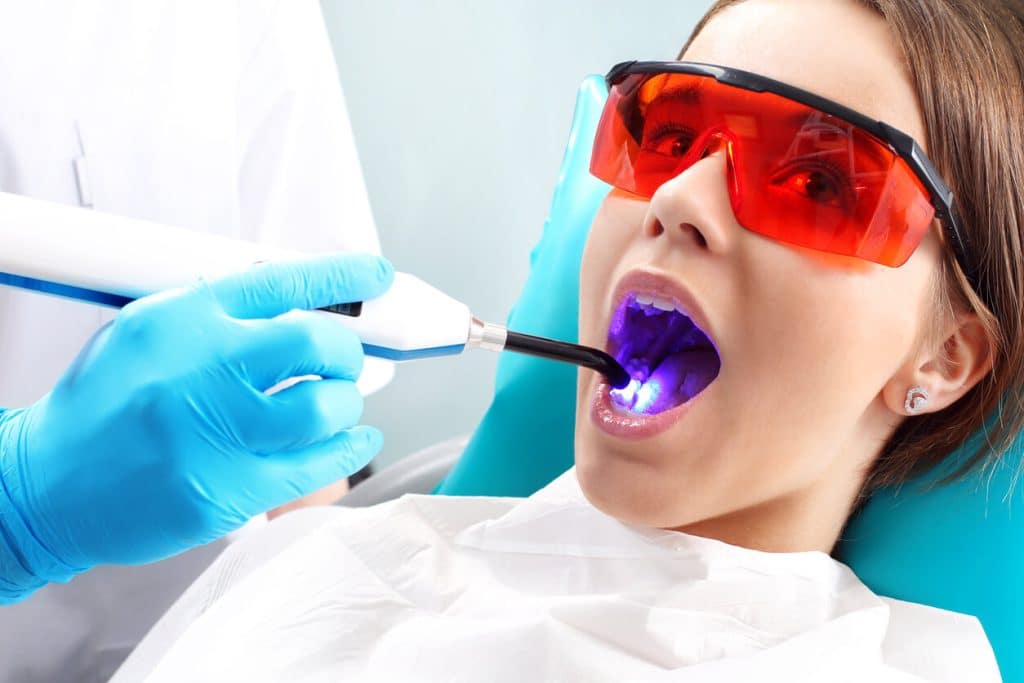
A dental cleaning is one of the easiest methods to safeguard your teeth and gums; however, it’s normal to wonder how much time you’ll need to set aside. The duration of a dental cleaning appointment may vary based on your oral health, tartar buildup, and whether your visit includes X-rays and an initial exam. Below, you’ll find a clear breakdown of the typical timing and the cleaning process.
What Happens During A Professional Visit
A dental cleaning, also known as a professional dental cleaning, concentrates on eliminating plaque and tartar accumulation to protect your teeth and gums. A dental hygienist checks for early signs of tooth decay, gum disease, and changes in gum tissue during the visit. Your appointment may include X-rays, an initial exam, and an oral cancer screening to support overall health.
Maintaining good oral hygiene habits at home helps make your cleaning faster and more comfortable. Regular dental cleanings reduce plaque and tartar buildup, promoting long-term oral health and preventing bigger dental issues. Staying on a consistent cleaning schedule is one of the best ways to keep your teeth and gums healthy over time.
How Long Does A Dental Cleaning Take?
Most patients can expect a routine dental cleaning to last between 30 and 60 minutes, depending on oral health. Appointments including X-rays, detailed exams, or heavy tartar buildup may take an hour or longer. Those with periodontal disease or gum concerns might need periodontal measurements or a more extensive cleaning.
Deep cleanings, often referred to as scaling and root planing, require significantly more time than routine cleanings. Your dental professional will give the best time estimate after examining your teeth and gums carefully. This ensures the cleaning plan suits your specific dental health needs and conditions.
Typical Time Ranges For Different Types Of Cleaning Appointments
Time varies most based on whether you’re scheduled for a standard preventive cleaning or a treatment-focused visit.
Visit Type | Common Length | What It Usually Includes |
Routine cleaning / routine dental cleaning | 30–60 minutes | Assessment, scaling, polishing, flossing, home-care guidance; may include exam |
New patient visit with initial exam and X-rays | 60–90 minutes | Medical history review, X-rays, gum screening, cleaning, and dentist exam |
Periodontal maintenance (after gum disease treatment) | 45–75 minutes | More detailed gum focus, deeper scaling, and monitoring of gum tissue/pockets |
Deep cleaning or thorough teeth cleaning | Varies widely; often 45–120 minutes per quadrant | Below-gumline scaling, possible numbing, root planing; frequently split into multiple visits |
This is why “how long does a routine dental cleaning take” often has a simple answer, while “deep teeth” or deep teeth cleaning timing depends heavily on what’s happening below the gumline.
The Cleaning Process: Step-By-Step
A dental cleaning appointment is a complete procedure, not a single step. Understanding the process helps explain why a teeth cleaning takes (or “cleaning takes”) longer for some patients than others.
- Check-In and History Updates (About 5 Minutes): Your team reviews health changes, medications, and any concerns like sensitivity, bleeding, or pain. This protects your health and helps the hygienist plan the safest approach.
- Assessment and Examine Step (About 5–10 Minutes): The dental hygienist may look for inflamed gums, measure pockets, and note areas with visible tartar or plaque.
- Scaling and Tartar Removal (About 15–35 Minutes): Using special tools (hand scalers and/or ultrasonic instruments), the hygienist works to gently remove plaque and hardened tartar, especially near the gum line and between teeth. This step targets bacteria that contribute to cavities and gum disease.
- Polishing (About 5–10 Minutes): The hygienist may polish your teeth using a professional paste to remove surface stains and smooth the enamel surface. Polishing is not a substitute for scaling, but it helps remove residual plaque and makes teeth feel cleaner.
- Flossing (About 2–5 Minutes): Professional flossing clears remaining debris and helps confirm that contacts are clean.
- Dentist Exam (About 5–10 Minutes): The dentist may check for cavities, signs of tooth decay, gum issues, bite concerns, and may perform an oral cancer screening. If you have restorations, they’ll also check for wear and margins.
Some visits include a fluoride treatment, which can add a few minutes to the duration. Your dental office will tell you whether fluoride is part of your appointment or recommended based on cavity risk.
What Makes A Teeth Cleaning Appointment Longer (Or Shorter)
If you’re asking “how long do dental cleanings take,” these are the biggest real-world variables:
- Time Since Your Last Cleaning: Longer gaps often mean more tartar buildup and more time needed for tartar removal.
- Plaque Buildup Habits: Consistent brushing and flossing help maintain results, but missed areas allow plaque to mature into tartar.
- Gum Health: If gums are inflamed or bleeding, the hygienist may slow down to protect delicate gum tissue and keep you comfortable.
- Crowding, Appliances, and Teeth Movement: Crowding, braces, clear aligners, and retention can create plaque traps; even normal teeth movement over time can change where plaque collects.
- Existing Dental Work: Crowns, bridges, implants, and orthodontic wires can require extra detail cleaning.
In short, patients with excellent dental hygiene and consistent regular dental cleanings often finish closer to 30–45 minutes, while those with more buildup or gum concerns may need the full hour or longer.
How To Keep Regular Cleanings Efficient (Without Cutting Corners)
You can’t control every factor, but you can influence how smoothly your visit goes. These habits support your cleaning and may reduce how much scaling is needed:
- Brush your teeth two times a day using a fluoride-containing toothpaste, focusing on the gum line.
- Floss your teeth at least once a day to eliminate plaque buildup between teeth where brushes miss.
- Keep a regular schedule for regular cleanings as recommended (many patients are seen every 6 months, but some need more frequent visits).
- Tell the hygienist about sensitivity, gag reflex, or anxiety so they can adjust technique and pacing.
- If you’re unsure what your appointment includes (exam, X-rays, fluoride), ask when you schedule an appointment so the time block matches your needs.
These steps help maintain results between visits and decrease the likelihood of developing tooth decay and gum disease progressively over time.
FAQs
Can a dental cleaning damage enamel?
A professional cleaning is designed to be safe for enamel when performed by a trained hygienist or dental professional. The scaling instruments target plaque and tartar, not healthy tooth structure, and the polishing paste is selected for appropriate abrasion levels. If you have concerns about sensitivity or enamel wear, ask your dentist to explain which tools and polishing products are being used.
Will a cleaning make loose teeth worse?
A cleaning does not cause healthy teeth to become loose, but it can reveal existing mobility if gum disease has already weakened support. When plaque and tartar are removed, swollen gums may shrink back slightly, making looseness feel more noticeable even though the cleaning didn’t create the problem. If mobility is present, your dentist will evaluate gum tissue, bone support, and the best treatment plan.
What should I bring to my appointment at a new dental office?
Bring a list of medications, relevant health conditions, and your dental insurance information if applicable. If you have prior X-rays or records, sharing them can sometimes reduce repeat imaging and help your dentist compare changes over time. It’s also helpful to note any symptoms (pain, bleeding, sensitivity) so the team can examine the right areas efficiently.
Is it normal for gums to be sore after a teeth cleaning?
Mild tenderness is fairly common, especially if there was significant tartar buildup near the gum line. Your gums may feel sensitive for a day or two as the tissue settles and inflammation decreases. If soreness is severe, lasts longer than a few days, or is paired with heavy bleeding, contact your dental office for guidance.
Plan Your Next Dental Visit With Confidence at Tolley Dental Winchester
So, how long does a dental cleaning take? For most patients, a routine dental cleaning comfortably fits within a 30–60 minute appointment. Longer visits may be necessary if your appointment includes X-rays, an initial examination, fluoride treatment, or if there are concerns about your gum health.
At Tolley Dental Winchester, our team is dedicated to providing thorough, gentle, and personalized dental care to keep your smile healthy and bright. We take the time to understand your oral health needs and make every visit as comfortable and efficient as possible.
Ready to experience expert dental care in a welcoming environment? Contact us today to schedule your next cleaning. Our friendly staff will help you find the perfect appointment time and provide a personalized estimate for your visit. Don’t wait, take the first step toward a healthier smile now!