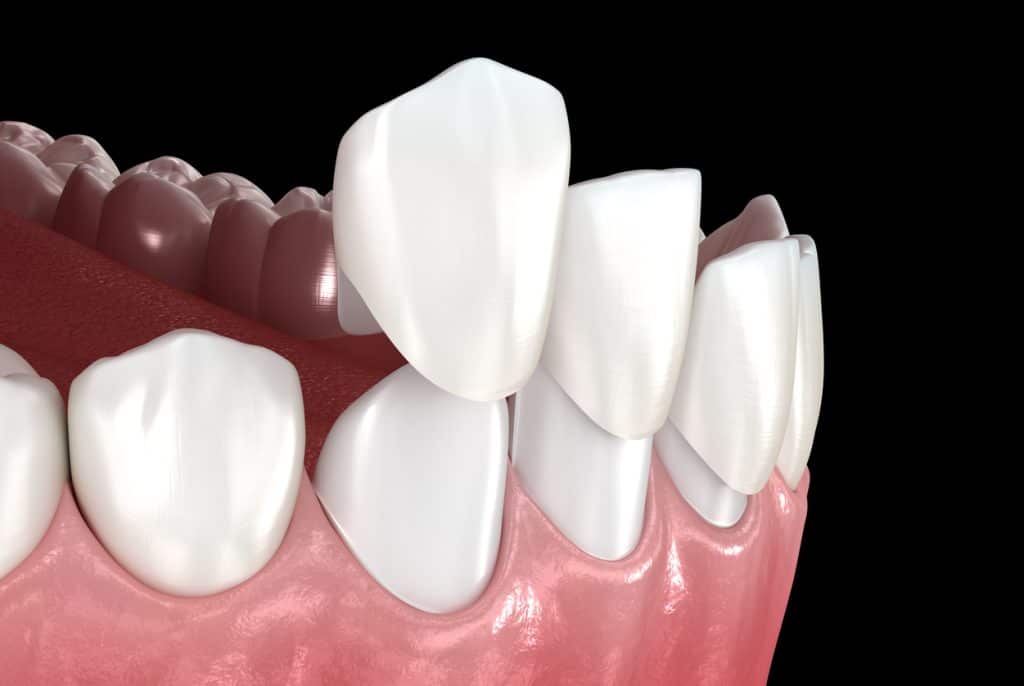
For budgeting, dental bonding in Winchester is around $300–$600 per tooth. At that range, treatment on two teeth would be about $600–$1,200. The final price depends on what each tooth needs and whether any other dental care is required.
Bonding uses tooth-colored composite resin to repair small chips, close minor gaps or change a tooth’s shape. The resin is shaped directly on the tooth. A small edge repair and a change across the whole front of a tooth can involve quite different amounts of work, even when both are described as bonding.
How much is dental bonding
Using $300–$600 per tooth as a guideline, the examples below show how teeth bonding costs can add up when several teeth need treatment. These are planning estimates before insurance, not package prices or individual treatment quotes.
| Number of teeth |
Illustrative bonding total |
| 1 tooth |
$300–$600 |
| 2 teeth |
$600–$1,200 |
| 4 teeth |
$1,200–$2,400 |
The calculation assumes each tooth falls within the same range. A more extensive repair may cost more, and examinations, X-rays or other treatment may be billed separately. Treating several teeth does not automatically mean a discount.
Why a chipped tooth and a gap can cost different amounts
Repairing a small chip
A small chip may need resin only along one edge. A larger repair can involve more of the tooth, more shaping and a careful check of how the teeth meet. The dentist also needs to determine whether the damage is limited enough for bonding or requires another treatment.
Closing a gap between front teeth
Closing one gap can involve bonding both neighboring teeth to keep their proportions balanced. If two teeth are treated within the guideline above, the example total is $600–$1,200. A gap should not be assumed to count as one billable tooth.
How much does composite bonding cost
Composite bonding is another name for dental bonding with tooth-colored resin. The $300–$600 per-tooth guideline applies to the limited repairs discussed here. Covering the entire front surface of a tooth with resin may be described as a composite veneer and priced differently. Ask whether your quote covers a small repair or broader coverage, rather than comparing prices by the treatment name alone.
What the estimate should include
A useful estimate shows the teeth being treated, the proposed work and the total before insurance. It should also make clear whether the following are included or separate:
- The examination and any necessary X-rays.
- Treatment for decay or gum problems that needs to happen first.
- Any optional cosmetic work, such as whitening.
- Follow-up adjustments and the policy for later polishing or repairs.
You may not need all of these services. The purpose is to separate the bonding fee from the rest of the plan. For example, a quote that includes an examination cannot be compared directly with a price for the bonding procedure alone.
Cosmetic dental bonding cost and insurance
Insurance may contribute when bonding repairs damage or decay. Treatment done only to change the appearance of healthy teeth is usually paid out of pocket. Using the same composite material does not make every procedure eligible for the same benefits.
Your share can depend on your deductible, remaining annual benefits and the plan’s allowed fee. Before treatment, request an estimate based on the procedure being recommended. An insurance estimate is not a guarantee of payment.
Tolley Dental can help file insurance claims and accepts cash, checks and credit cards. Our office also lists payment plans and financing options. Contact the financial coordinator about current terms and eligibility, including any interest charges.
Read our insurance and billing information.
How bonding compares with veneers on cost
Bonding is often worth discussing for a small, localized change. Veneers cover more of the front of a tooth, so comparing a small bonding repair with a full veneer is comparing different amounts of treatment.
| Treatment |
Price reference per tooth |
What the treatment covers |
| Localized dental bonding |
$300–$600 budgeting guideline |
A limited chip repair, gap closure or change in shape. |
| Composite veneer made in the office |
$541–$1,220 national range |
Composite resin across more of the front surface. |
| Porcelain veneer |
$1,020–$2,506 national range |
A custom porcelain covering for the front surface. |
The veneer ranges above come from CareCredit’s 2026 national cost study. They are comparison figures, not Tolley Dental quotes, and exclude consultation and potential ongoing maintenance or repair costs.
Porcelain generally resists stains and wear better than composite. Composite veneers are easier to repair if damaged. Veneer treatment that removes enamel is irreversible, so price should be considered alongside how much healthy tooth would be changed. Our
composite versus porcelain veneers comparison explains the differences in more detail.
A dentist can help you decide whether a limited repair will achieve the result you want or whether a different approach is more appropriate.
Learn about veneers at Tolley Dental.
How long bonding lasts and what future repairs can cost
Cleveland Clinic gives a typical lifespan of three to ten years before bonding needs a touch-up or replacement. The size and location of the restoration, your bite and habits such as grinding can affect how it wears. That range is not a warranty.
A small chip in the resin may be repairable without replacing all of the bonding. Larger damage can require more work. There is no single repair fee that fits every case, so find out how the office handles adjustments and later repairs before choosing treatment.
Continue brushing and cleaning between your teeth, and avoid biting ice, pens or other hard objects. Tell your dentist if you grind or clench so that the treatment plan accounts for it. If a bonded tooth develops a sharp edge or feels different when you bite, have it checked.
What happens during a bonding appointment
At Tolley Dental, bonding starts with an examination and a plan for the teeth being treated. The dentist selects a resin shade, prepares the tooth surface, applies and shapes the resin, then hardens it with a curing light and polishes it. Bonding typically takes about 30–60 minutes per tooth, depending on the work needed. Several teeth may require a longer visit or more than one appointment.
See our Winchester bonding service.
Other questions about dental bonding cost
Is composite bonding different from dental bonding
These names commonly describe the same use of tooth-colored composite resin. The important difference for price is the work being done: a small repair, a filling and a composite veneer can use similar material but cover different areas of the tooth.
Is bonding cheaper than veneers
A limited bonding repair generally costs less upfront than a porcelain veneer. For changes across several teeth, compare complete treatment plans, including the amount of coverage and expected maintenance. The lowest starting price may describe a smaller procedure than the one you want.
Does bonding hurt or require numbing
Simple cosmetic bonding often does not require anesthesia. Treating decay or a more involved repair can be different. Your dentist can explain whether numbing is needed for the planned work. Short-term sensitivity can occur afterward.
Can bonding fix any chipped tooth
No. Bonding suits smaller repairs, but a tooth with substantial damage may need another restoration. The examination helps establish whether bonding will provide an appropriate repair before you compare prices. Learn more about
how dental bonding affects your natural teeth.
Discuss dental bonding in Winchester VA
If you are considering bonding, tell us which tooth or gap concerns you and what you would like to change. We can examine the area, discuss suitable treatment options and explain the proposed cost before you decide.
Call
(540) 662-6466 or
request an appointment at our
Winchester office, 136 Linden Drive, Suite 100, Winchester, VA 22601.
You can also
meet Dr. Benjamin L. Tolley and read about his dental education and Winchester background.