
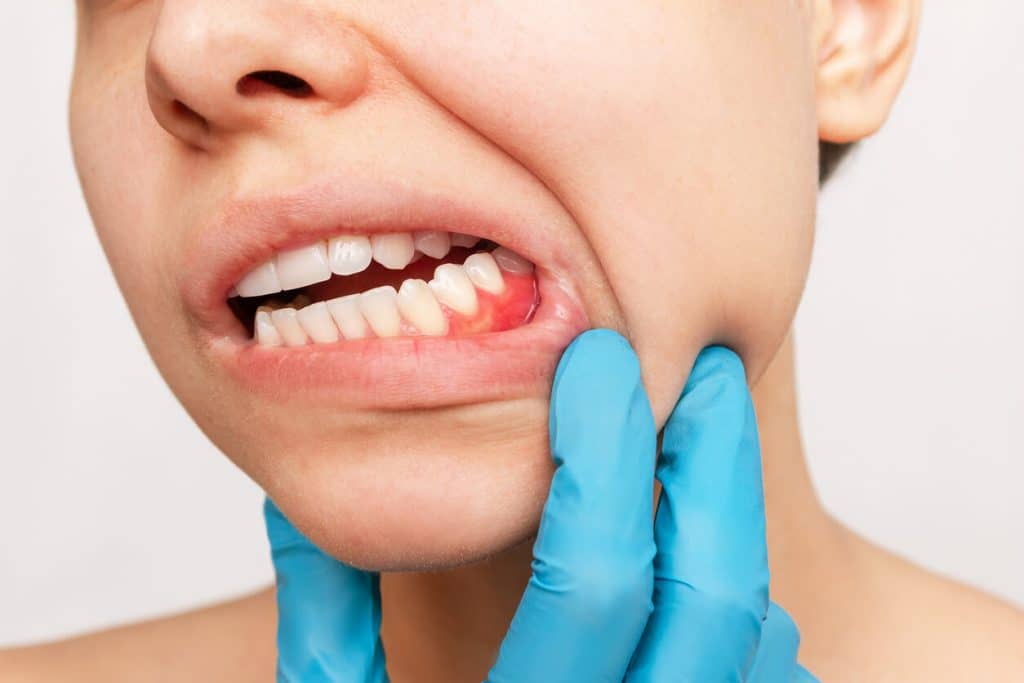
Early periodontal disease can look like minor irritation, yet it can signal active gum disease. The good news is that if detected and treated early, it can often be managed and sometimes reversed, helping to protect your oral health and maintain healthy teeth and gums.
While reversal is more likely in the earliest stages, timely professional care combined with good oral hygiene can effectively halt progression and improve gum health. Many people notice bleeding gums or bad breath, then hope the problem resolves naturally.
What Early Periodontal Disease Means for Oral Health
This occurs when a bacterial infection extends beyond the gums into deeper supporting structures, leading to inflammation and the formation of periodontal pockets. If plaque buildup continues unchecked, it can damage connective tissue and supporting bone, potentially leading to moderate or advanced periodontitis.
Poor oral hygiene plays a key role in the early development of periodontal disease, but smoking, diabetes, dry mouth, and genetics also contribute significantly. Some medications reduce saliva flow, leading to increased plaque accumulation and worsening gum inflammation over time. Early diagnosis and timely treatment improve disease control and help prevent irreversible bone loss and tooth loss.
Can Gum Disease Be Reversed When Periodontal Disease Is Still in the Early Stages?
Whether early periodontal disease can be reversed depends on the stage of gum disease; gingivitis, which affects only the gums, is generally reversible with good oral hygiene, while early periodontitis often requires professional treatment to stabilize and prevent further damage.
Periodontal pockets form when inflamed gum tissue separates from teeth, creating spaces that trap bacteria and weaken supporting bone over time. Risk factors like smoking, diabetes, and dry mouth increase the chance of disease progression by impairing healing and encouraging bacterial growth.
Early Warning Signs That Suggest Gum Disease
Common signs of gum disease include bleeding gums, persistent bad breath, swollen or receding gums, tooth sensitivity, and a metallic taste in the mouth. Recognizing these early warning signs is crucial for timely intervention and effective treatment to protect your oral health.
Bleeding Gums
Bleeding gums during brushing or flossing is often one of the first noticeable indicators that your gums are inflamed and irritated. It is important to pay attention to this symptom as it signals the need for improved oral care or professional evaluation. Early intervention when bleeding gums appear can prevent further progression of gum disease.
Persistent Bad Breath
Bad breath that does not improve with regular brushing or mouthwash can indicate bacterial buildup associated with gum infection. This symptom often accompanies other signs and should not be ignored. Maintaining good oral hygiene and seeking professional care can help eliminate this chronic issue.
Swollen Gums
Gums that are swollen near several teeth, especially around the back molars, suggest inflammation and infection in the gum tissue. Swollen gums may feel tender or sore, making eating and oral hygiene uncomfortable. Addressing swollen gums early helps reduce discomfort and prevent worsening infection.
Receding Gums
This causes the gums to pull away from the teeth, exposing more of the tooth surface and roots. This condition not only affects appearance but also increases the risk of sensitivity and decay. Timely treatment can help slow gum recession and protect tooth roots from damage.
Tooth Sensitivity
This arises when exposed root surfaces due to gum recession lead to heightened sensitivity to hot, cold, or sweet stimuli. Managing sensitivity often requires both professional treatment and changes in oral hygiene habits. Proper care can restore comfort and protect vulnerable areas.
Metallic Taste
The metallic taste in the mouth can be a sign of ongoing gum infection or inflammation. This symptom is often overlooked but can be an early indicator of periodontal issues. Reporting this symptom to your dentist can aid in early diagnosis and treatment.
Chronic Bad Breath
This recurring shortly after brushing points to bacteria thriving in periodontal pockets. Consistent oral hygiene and professional care are necessary to address the underlying causes. Early treatment can improve breath freshness and overall gum health.
Factors That Raise the Likelihood of Disease Progression
Risk factors greatly influence the speed at which periodontal disease develops, progressing from initial stages to more serious conditions. Being aware of these factors enables better management of your oral health and helps slow down the advancement of gum disease efficiently.
- Smoking: Smoking reduces blood flow, which impairs the gums’ ability to heal and fight infection. This habit also masks early warning signs of gum disease, making it harder to detect until the condition worsens significantly.
- Diabetes: Diabetes can increase inflammation and slow the healing process, making it harder for the body to control bacterial infection in the gums. Effectively controlling blood sugar levels is key to reducing the risk of periodontal disease progression.
- Stress: Stress and clenching may worsen symptoms by increasing irritation and changing daily oral hygiene routines. Prolonged stress may also impair the immune system, reducing the body’s ability to combat gum infections effectively.
- Dry Mouth: Dry mouth increases bacterial growth because saliva normally helps neutralize acids and wash bacteria away. Without adequate saliva, plaque buildup accelerates, making the gums more vulnerable to infection and inflammation.
- Crowded Teeth: Crowded teeth create plaque traps, making proper oral hygiene more difficult without extra tools. This condition often requires specialized cleaning techniques to ensure thorough removal of bacteria and prevent disease progression.
- Clinician Review: A clinician can review risk factors and tailor a treatment plan for disease control. Personalized care plans improve the chances of successful management and help patients maintain healthier gums over time.
How to Treat Gum Disease with Professional Care
To effectively treat early periodontal disease, a range of professional services is available to target plaque buildup, reduce inflammation, and support gum tissue health.
Potential professional services to treat early periodontal disease include:
- Comprehensive dental cleaning
- Scaling and root planing (deep cleaning)
- Periodontal maintenance appointments
- Antibiotic therapy (oral or topical)
- Professional evaluation and measurement of periodontal pockets
- Personalized oral hygiene coaching by a dental hygienist
- Bone grafting procedures (if significant bone loss is present)
- Advanced periodontal treatments for moderate to severe cases
Home Habits
To maintain healthy gums at home, it’s essential to adopt consistent oral hygiene habits that target plaque buildup and support gum tissue health. Incorporating these simple yet effective practices into your daily routine can significantly reduce the risk of gum disease and promote long-lasting oral wellness.
- Brush your teeth twice a day using a soft-bristle toothbrush.
- Use gentle pressure to avoid damaging gum tissue.
- Floss daily to remove plaque and food particles between teeth.
- Consider using an antiseptic mouthwash to reduce bacteria and inflammation.
- Maintain a consistent brushing and flossing routine.
- Schedule regular dental checkups and professional cleanings.
- Avoid tobacco products to reduce risk factors.
- Eat a balanced diet to support oral health.
- Stay hydrated to help maintain saliva flow and reduce dry mouth.
Benefits of Early Detection and Disease Control
Early detection and treatment of periodontal disease greatly improve outcomes by reducing inflammation and protecting the structures that support your teeth. Acting promptly helps prevent progression to advanced stages, supporting healthier gums and a more confident smile.
Additional benefits of early gum disease management often include the following outcomes:
- Professional cleaning can remove tartar, improve gum health, and reduce persistent bad breath.
- Scaling and root planing can reduce periodontal pockets, making daily oral hygiene more effective.
- Stabilizing periodontal disease may limit bone loss, reducing the need for future bone graft procedures.
- Treating gum disease supports healthy tissue around crowns, fillings, and orthodontic results.
- Better disease control reduces inflammation, which can make gum tenderness and painful chewing less likely.
If periodontal disease progresses into moderate periodontitis, treatment typically becomes more intensive and frequent. Advanced gum disease and advanced periodontitis can involve significant bone loss and more complex long-term maintenance. That is why early diagnosis and consistent follow-through matter so much for healthy gums.
FAQs
Can gum disease cause loose teeth even if brushing seems consistent?
Yes, gum disease can weaken attachment and supporting bone, which can lead to loose teeth. This can happen even with brushing if plaque remains between teeth or tartar is present. A periodontal evaluation can confirm the causes of mobility and recommend appropriate gum disease treatment.
What can occur if periodontal disease goes untreated for many years?
When periodontal disease is left untreated, inflammation can spread deeper and accelerate bone loss. Over time, advanced periodontal disease may cause exposed tooth roots, painful chewing, and shifting bite changes. Severe cases increase tooth loss and may require advanced therapies or extractions.
Is a bone graft always needed when there is significant bone loss?
A bone graft is not always necessary, and recommendations depend on defect shape and overall oral health. Some patients benefit more from disease control and maintenance than from surgical regeneration procedures. A specialist can explain realistic goals based on radiographs and periodontal pocket measurements.
How does a dental hygienist help beyond a routine dental cleaning?
A dental hygienist can assess early warning signs, measure periodontal pockets, and coach proper oral hygiene techniques. They also help plan supportive maintenance intervals, especially for moderate periodontitis or recurring inflammation. This guidance improves long-term gum health and helps prevent gum disease progression.
Tolley Dental’s Clear Plan for Healthier Gums and a Stronger Smile
Early periodontal disease can often be stabilized when you recognize signs of gum disease promptly. Focus on plaque buildup control, watch for receding gums, and address persistent bad breath quickly. Regular dental visits support early detection and help protect gum tissue and supporting bone.
Tolley Dental can evaluate your gum disease stage and develop a practical treatment plan. If needed, we can discuss professional cleaning, scaling, and root planing, and maintenance scheduling. Schedule a visit with us today to protect your oral health and keep your gums healthy longer.