
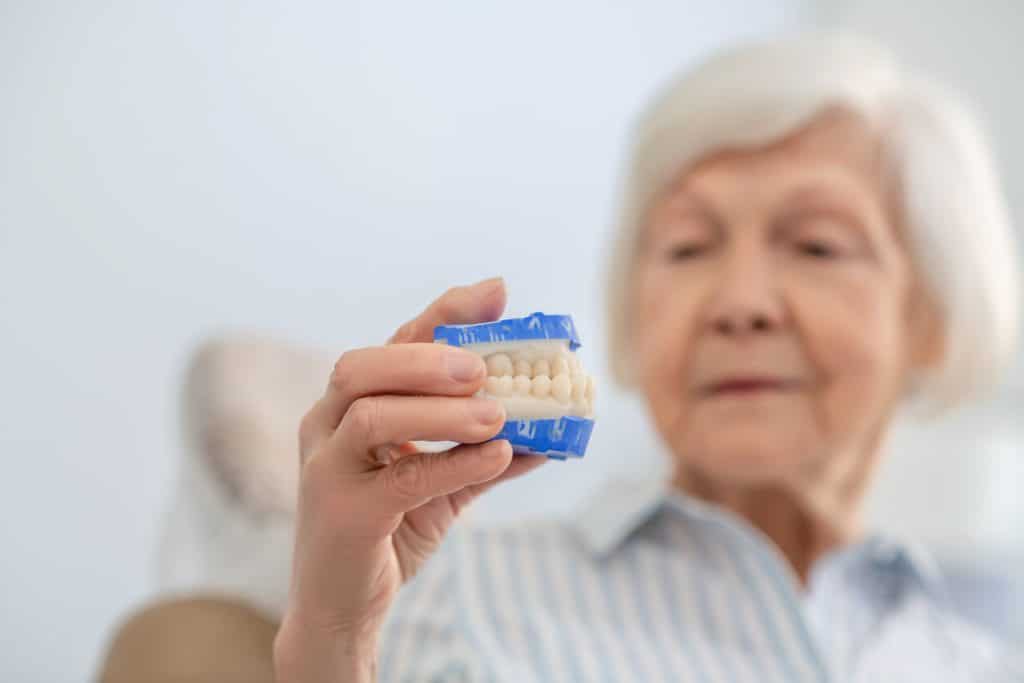
Many adults mistakenly believe tooth loss is an inevitable consequence of aging. However, most causes of tooth loss are preventable with good oral hygiene and proactive dental care. Tooth loss not only affects your smile; it also impacts your oral health, nutrition, speech, confidence, and quality of life. Understanding how to prevent tooth loss in elderly individuals is important for preserving strong, natural teeth into later years.
In this guide, we explore the most common cause of tooth loss in the elderly, risk factors, and effective measures for prevention. Research shows that individuals with less than a high school education are at higher risk for severe tooth loss, highlighting the importance of education in oral health outcomes. In addition to the major risk factors, other factors, such as untreated cavities and certain health conditions, also contribute to tooth loss in elderly individuals.
Why Oral Health Declines With Age—and How to Protect Your Teeth
According to the CDC’s 2022 Oral Health Data, nearly 1 in 5 adults that are aged 65 and over have experienced complete tooth loss (edentulism). While aging is a common risk factor, tooth loss does not have to be a natural part of aging. Maintaining good oral hygiene and understanding what contributes to dental problems can drastically decrease your chances of losing teeth.
It is important to recognize that factors such as chronic health conditions, medication side effects, and lifestyle choices also play significant roles in oral health outcomes among older adults. People who smoke are at a much higher risk of tooth loss and oral health deterioration compared to non-smokers. Preventive measures, which include regular dental checkups and timely treatment of oral diseases, can help preserve natural teeth for longer.
By implementing a preventive strategy towards dental hygiene, elderly individuals can maintain better oral function, improve nutrition, and enhance their quality of life.
What Are the Leading Reasons for Tooth Loss Among Seniors?
To effectively prevent tooth loss, we must first understand what causes tooth loss in older adults. The bones supporting the teeth can weaken with age, increasing the risk of tooth loss.
1. Periodontal Disease (Gum Disease)
As stated by the ADA (American Dental Association), Tooth loss among elderly adults is most frequently caused by periodontal disease. It starts when plaque builds up along the gumline, that causes inflammation and infection. The gum tissue becomes swollen, tender, and starts receding from the teeth, eventually leading to loose teeth and potential bone loss around teeth roots. Gum disease can also damage the soft tissues that support the teeth, further increasing the risk of tooth loss.
2. Tooth Decay (Cavities)
Tooth decay, or dental decay, results from untreated cavities caused by plaque accumulation combined with sugars and starches (also known as dental caries). Seniors have an increased vulnerability to developing tooth decay, often due to receding gums exposing tooth roots and old dental treatments needing maintenance or replacement. In particular, old or damaged fillings can break down over time, increasing the risk of new cavities forming around the edges of these restorations.
3. Poor Oral Hygiene Habits
Failing to maintain proper brushing and not flossing daily inevitably leads to plaque buildup on teeth. Plaque eventually hardens into tartar, which causes cavities, gum inflammation, infections, and eventual tooth loss.
4. Chronic Health Conditions and Medications
Certain health conditions like diabetes and heart disease are strongly linked to increased risk of tooth loss. Diabetes may result to high blood sugar levels, increasing an individual’s susceptibility to infections and dental problems. Medications for various chronic conditions sometimes reduce saliva production, which leads to dry mouth—another significant contributor to tooth decay and gum problems.
5. Poor Diet and Nutritional Deficiencies
A healthy diet provides essential nutrients like calcium, vitamin D, and vitamin C, required to keep teeth healthy and gums strong. A poor diet may lead directly to weaker tooth enamel, inflamed gums, and susceptibility to oral infections.
6. Tobacco Use
Smoking and using tobacco products severely elevate the risk for periodontal disease, oral cancer, gum recession, slow healing, and tooth loss. Additionally, tobacco use impairs blood flow to the gums, which reduces the body’s ability to fight infections and heal damaged tissues. Stopping smoking can significantly enhance oral health outcomes and reduce the likelihood of tooth loss in elderly individuals.
Risk Factors for Older Adults
Various risk factors increase older adults’ susceptibility to oral health issues, highlighting the importance of proactively recognizing and managing these factors:
- Chronic Health Conditions. Health conditions like diabetes, heart disease, and osteoporosis can negatively impact oral health by causing weakness in gum tissues and bone structures. Many medications prescribed for these illnesses can cause dry mouth, which reduces saliva production and increases susceptibility to dental decay and infection.
- Lifestyle Factors. Tobacco use and smoking significantly increase the risk of gum disease and tooth loss in elderly individuals. A poor diet high in sugar and acidic foods can erode protective enamel and accelerate tooth decay.
- Physical and Cognitive Limitations. Mobility limitations or cognitive impairments can make it challenging to perform daily oral care routines, including brushing and flossing. Support from caregivers or family members is important to have consistent oral care.
- Dental Care Access and Maintenance. Professional cleaning and dental visits are essential for addressing oral health problems early. Proper care and maintenance of dentures or oral appliances also prevent irritation and infections, which protects remaining natural teeth and gum tissue.
- Public Health and Education. Community programs and educational initiatives play a key role in raising awareness about oral health in older adults. By promoting disease control and preventive care, public health measures help reduce the incidence of tooth loss and enhance seniors’ quality of life.
Effective Tips on How to Prevent Tooth Loss in Elderly Individuals
The good news is that tooth loss is usually preventable by focusing on clear preventative measures:
1. Maintain Good Oral Hygiene
The foundation of preventing tooth loss lies in practicing good oral hygiene, including:
- Brushing your teeth gently at least twice per day using fluoride toothpaste.
- Daily flossing helps eliminate plaque from between teeth and along the gum line.
- Using an antiseptic mouth rinse occasionally as advised by your dentist.
2. Regular Dental Visits
Routine dental visits every six months enable early identification of oral health issues such as gum disease, cavities, and oral cancer, before these become serious. Additionally, professional cleanings help eliminate persistent plaque and tartar, reducing risks and supporting healthier gums.
3. Balanced, Healthy Diet
Maintaining a balanced, nutritious diet high in calcium, lean proteins, fiber, and vitamins helps strengthen teeth and supports gum tissue resilience. Limiting sugary snacks and acidic foods reduces the risk of cavities and tooth decay.
4. Staying Hydrated to Combat Dry Mouth
Drink plenty of water to maintain saliva levels. Saliva protects the mouth by clearing food debris and neutralizing harmful acids produced when plaque builds up. If medications disrupt saliva production, consult your dentist regarding saliva substitutes or treatments to stimulate saliva.
5. Address Chronic Conditions
Maintaining stable blood sugar greatly reduces oral health risks. Proper management of diabetes and other chronic diseases contributes to better oral health and lowers the risk of tooth loss.
6. Quit Smoking
Avoid tobacco use to significantly lower your increased risk of oral health complications, including periodontal disease, inflammation, slower healing, and tooth loss.
7. Monitor Changes and Symptoms
Stay alert for oral health symptoms like irritation, bleeding or receding gums, loose teeth, persistent bad breath, difficulty chewing, sudden tooth sensitivity, or mouth sores. Early detection and prompt treatment by your dentist significantly lowers your risk of tooth loss.
Professional Dental Solutions for Preventing Tooth Loss
Early intervention is vital to keeping natural teeth throughout later years. Your dentist can recommend specialized treatments and restorative services such as:
- Dental Implants. These provide a long term and secure replacement for missing teeth. They are surgically placed into the jawbone, provides stability and a natural appearance. Implants help preserve bone density and prevent shifting of adjacent teeth.
- Bridges. Bridges fill gaps created by one or more missing teeth. They restore chewing function and improve the aesthetics of your smile. Bridges are supported by adjacent implants or natural teeth for added strength.
- Dentures. Available as partial or complete sets, dentures restore both functionality and appearance. They are removable and can be customized for comfort and fit. Dentures help maintain facial structure and improve speech for those with multiple missing teeth.
- Advanced Gum Therapy. This treatment targets severe periodontal disease to halt progression. It helps prevent further bone loss and stabilizes loose teeth. Therapies may include deep cleaning, antibiotics, or surgical procedures tailored to individual needs.
Supporting Elderly Oral Care: What Loved Ones Can Do
Family members and caregivers are vital in supporting the oral health of elderly individuals. Their active involvement significantly aids in preventing tooth loss by ensuring consistent oral hygiene routines and promptly addressing any dental concerns. This proactive support can make the difference between maintaining dental health and facing significant oral health issues.
Beyond physical assistance, their emotional encouragement and monitoring also play a key role. By creating a thoroughly supportive environment, they help seniors prioritize their dental care, leading to better overall health outcomes in their later years. Key ways they can contribute include:
- Ensuring older adults attend regular dental appointments for checkups and professional cleanings.
- Assisting with daily oral hygiene tasks such as brushing and flossing, especially for those with limited dexterity or cognitive challenges.
- Encouraging and helping maintain a balanced, tooth-friendly diet that limits sugar-sweetened beverages and promotes nutrients essential for strong teeth and gums.
- Monitoring for early signs of oral health problems, such as gum inflammation, dry mouth, or loose teeth, and facilitates timely dental care when needed.
By actively participating in these ways, family members and caregivers help safeguard the oral health and well-being of elderly loved ones.
Start Your Journey to Strong, Healthy Teeth in Your Senior Years Today!
Knowing how to prevent tooth loss in old age involves prioritizing consistent, proper dental hygiene, regular professional care, nutritional balance, management of chronic illnesses, and avoidance of harmful lifestyle habits. Incorporating these measures routinely into your daily life substantially reduces your risk, ensures that you have a healthy smile and intact teeth in your later years.
To further ensure strong oral health and prevent tooth loss in later years, especially for seniors and the elderly, taking action is crucial. Ready for a healthier, brighter smile? Contact us today to schedule an appointment at Tolley Dental Winchester! We offer customized care specifically designed to meet the individual needs of older adults, from routine cleanings to specialized dental procedures.
Experience the difference of compassionate, expert dentistry—reach out to us and let us help you achieve your best smile! Your healthy smile begins today—it’s never too late for effective prevention.