
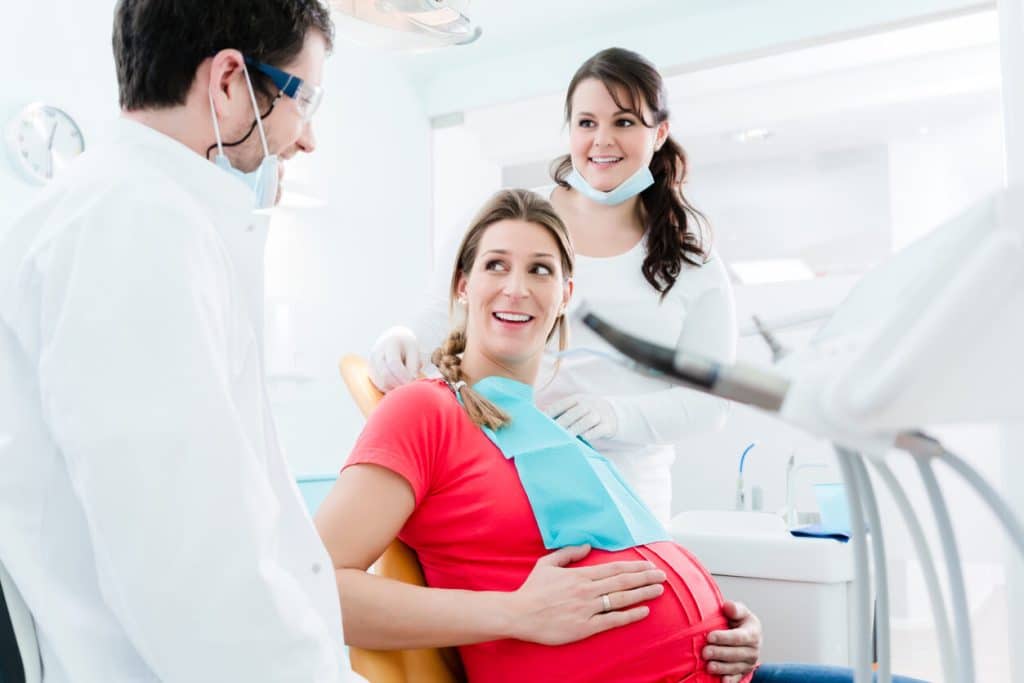
Expecting a child is a time of change, and many mothers-to-be wonder: are dental X-rays safe during pregnancy? With oral health being essential at every stage of life—including pregnancy—this question often creates concern, especially when dental issues arise. Thankfully, current research and expert guidelines can help expectant mothers make informed decisions regarding procedures like a dental X-ray during pregnancy.
Why Good Oral Health Matters During Pregnancy
Pregnancy brings hormonal shifts that elevate the likelihood of developing gum disease, cavities, and oral infections. These conditions pose a threat not only to the expectant mother’s oral health but can also have negative consequences for the developing baby if left unaddressed.
Dental professionals emphasize the importance of receiving necessary and immediate dental care during pregnancy. This includes procedures such as X-rays when deemed essential. Prioritizing dental well-being is considered a crucial aspect of maintaining overall health for both the mother and the child throughout pregnancy.
Are Dental X-Rays Safe in Pregnancy? The Technology Explained
A dental X-ray during pregnancy utilizes a small, highly localized dose of electromagnetic radiation to create clear images of your teeth, jaw, and bones. Modern digital X-ray technology further reduces exposure. It is safe in general to have dental X-rays during pregnancy, but the necessity often depends on the urgency of the dental problem and the safety measures in place.
Modern dental X-rays use digital technology which offers clearer images while reducing the total radiation dose even further. The primary types of dental imaging are conventional X-rays, typically used during regular dental exams, and CBCT scans, which provide detailed three-dimensional images for more comprehensive assessments.
The American Dental Association notes that the amount of radiation exposure from a single image is extremely low, about the same as a few hours of natural background radiation.
A Brief History of Dental X-Rays and Their Modern Technology
Dental X-rays have come a long way since their introduction in 1895, when the very first dental radiograph was captured. Over the decades, advances in technology have transformed the way dentists use X-rays to diagnose and treat oral health issues. Today, dental X-rays are an essential part of modern dental care that allows for detailed diagnostic imaging of the teeth, jaw, and entire mouth with remarkable precision.
One of the most significant technological advancements is the development of cone-beam computed tomography (CBCT). This innovative procedure uses a cone-shaped beam of radiation to create three-dimensional images of the mouth and jaw, providing dentists with a comprehensive view that aids in planning complex treatments and detecting issues that might not be visible with the usual traditional X-rays.
The American Dental Association has played a pivotal role in ensuring that dental X-rays are used safely and responsibly. By establishing guidelines and promoting best practices, the ADA helps minimize patients’ radiation exposure while maximizing the diagnostic benefits of these procedures.
Safety of Dental X-rays During Pregnancy: What the Experts Say
So, are dental X-rays safe during pregnancy? According to the American Dental Association, American Pregnancy Association, and the American College of Obstetricians and Gynecologists, dental X-rays during pregnancy are considered safe when performed with proper precautions. For example, a lead apron and thyroid collar are routinely used to shield the mother and minimize exposure to the fetus.
If you’re wondering if dental rays can affect pregnancy, it is reassuring to know that the extremely low dose, combined with these precautions, makes this procedure very low-risk. Expert organizations state that there have been no proven negative effects reported when safety guidelines are followed.
How Dental X-rays Are Made Safer for Pregnant Patients
- Lead Apron Use. A lead apron is used to cover the abdomen and reproductive organs, which helps minimize exposure to the fetus and patient’s body. A thyroid collar is sometimes added for further protection.
- Minimizing Exposure. Only necessary X-rays are taken. Dentists adapt the X-ray machine settings to the lowest possible radiation dose and limit the area being imaged.
- Timing and Communication. Most dentists will postpone X-rays that are not urgent; they prefer to wait until after the first trimester if possible. This is especially true for routine or elective imaging, though urgent dental issues should not be ignored.
Dental X-ray During Pregnancy Side Effects: Myths vs. Facts
Many patients worry about the dental X-ray during pregnancy side effects—such as cancer risk, birth defects, or problems with the baby’s development. These fears are understandable but often overstated. To clarify, here is a comparison of common myths and the facts based on current expert guidance:
|
Myth |
Fact |
|
Dental X-rays during pregnancy increase cancer risk in children. |
Studies have shown no increased risk of developmental abnormalities or cancer in children whose mothers had dental X-rays during pregnancy using modern safeguards. |
|
Radiation from dental X-rays can cause birth defects or harm the baby’s development. |
The radiation dose from dental radiographic procedures is far below thresholds known to cause adverse effects, and no harmful side effects have been confirmed. |
|
It is safer to avoid all dental X-rays during pregnancy to protect the baby. |
Delaying necessary dental X-rays can lead to untreated infections or pain, which pose greater risks to both mother and baby than the minimal radiation exposure. |
|
Pregnant women should never have dental X-rays. |
Expert organizations like the American Dental Association recommend dental X-rays during pregnancy when necessary, using protective measures such as lead aprons to minimize exposure. |
Remember: It’s important to inform your healthcare provider and your dentist if you are or may be pregnant so that appropriate steps can be taken to ensure maximum safety for the pregnant patient.
The Dental X-ray Process for Pregnant Women
If you need a dental X-ray when pregnant, here’s what you can expect:
- Consultation: The dentist will assess the urgency, discuss risks, and communicate clearly with the pregnant patient.
- Shielding: Before the diagnostic imaging begins, a lead apron is placed over the abdomen and sometimes the neck to shield reproductive organs and minimize exposure.
- Positioning and Imaging: Only the area of concern is imaged, and the X-ray machine is set to the lowest appropriate settings for a single image or series if necessary.
- Review: The dentist reviews the images to diagnose and plan your care, always balancing the need for imaging against any potential risks.
This careful process helps provide peace of mind and supports proactive choices for oral health during pregnancy.
Do Dental X-Rays Affect Your Baby’s Development?
For many pregnant women, the possibility of radiation exposure from dental X-rays raises understandable concerns about their baby’s development. However, organizations such as the American College of Radiology and the American Pregnancy Association have confirmed that the radiation dose from a dental X-ray is extremely low, comparable to the amount of background radiation we all encounter naturally in our daily environment. This means that the risk to the developing baby is considered negligible when proper safety measures are in place.
Preventive Dental Health Tips for Pregnant Women
Maintaining excellent oral hygiene is vital for the health of both pregnant individuals and their developing babies. To actively safeguard your smile during this time, consider adopting these key habits. Implementing these preventive strategies can greatly minimize the chances of dental issues occurring and subsequently reduce the potential necessity for procedures like X-rays.
- Practice Good Oral Hygiene: Brush and floss daily to prevent dental problems before they start.
- Regular Dental Visits: Continue visits for exams and cleanings; early detection of dental issues reduces the need for X-rays while pregnant.
- Report Changes: Notify your dentist if you notice swelling, pain, or changes in your teeth or gums.
- Ask Questions: Seek guidance from your healthcare provider and dentist about the safety of other procedures, medications, and dental radiographic procedures during pregnancy.
Frequently Asked Questions
Are dental X-rays safe for pregnant women?
When performed with a lead apron and modern technology, dental X-rays are typically safe for pregnant people, as they significantly reduce radiation exposure for both the patient and the fetus. It is crucial to always inform your dentist if you are pregnant to ensure appropriate safety measures are implemented.
Should I postpone X-rays during pregnancy?
It is generally recommended to postpone X-rays that are not urgent during pregnancy. However, if you experience a dental emergency, X-rays while pregnant may be necessary to diagnose and treat the issue promptly. Your dentist will look into the benefits and risks to ensure both your health and your baby’s safety.
Do dental X-rays increase cancer risk for my baby?
There is no reliable evidence that dental X-rays, when performed with proper shielding, increase cancer risk for your baby. Dental X-rays utilize a very low dose of radiation that is specifically directed at the mouth. Expert organizations confirm that the minimal exposure does not pose a significant risk to fetal development.
What if I need diagnostic imaging in the first trimester?
If diagnostic imaging is urgent during the first trimester, your dentist and healthcare provider will collaborate to minimize radiation exposure. They will ensure that the smallest amount of radiation is used and that protective precautions are taken to protect your baby’s development. Generally, non-urgent or routine X-rays are delayed until after this important stage.
How does dental radiation exposure compare to other exposures?
Dental X-rays expose patients to a tiny fraction of the radiation dose compared to many other imaging procedures. In fact, the exposure is often less than the natural background radiation we encounter daily. This low level of radiation makes dental X-rays a safe diagnostic tool when necessary.
Are dental X-rays the same as chest X-rays?
No, dental X-rays focus specifically on the mouth and teeth, while chest X-rays image the lungs and heart area. The radiation exposure and safety protocols differ between these two types of X-rays. Dental X-rays generally involve much lower radiation doses and targeted exposure.
Healthy Smiles for Moms-to-Be: Trust Tolley Dental for Your Dental Needs
With today’s technology and strict guidelines from organizations like the American Dental Association, dental X-rays are safe for pregnant women when necessary precautions are taken. Ignoring dental issues can result in more serious health problems and place the pregnancy at greater risk than the procedure itself. Talk with a dentist and a healthcare provider about your pregnancy so you can make informed, proactive choices and keep your oral health strong at every stage.
As moms-to-be, you deserve gentle, expert care—and that’s exactly what we offer at Tolley Dental Winchester. We understand the unique needs during pregnancy and follow strict safety protocols for every visit. Let’s keep your smile healthy—contact us today to schedule an appointment.