
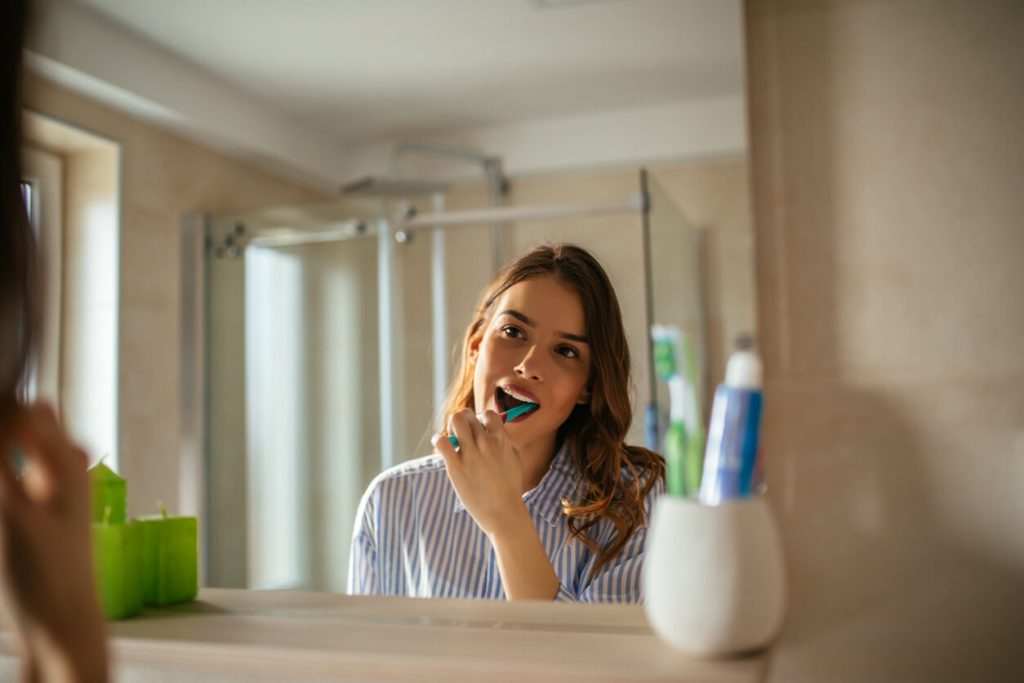
Who doesn’t want a brighter, more confident smile? Whitening toothpaste has become popular, and many have achieved impressive results and noticed significant changes. But before you jump on the bandwagon, it’s important to weigh the benefits against any potential downsides.
In this article, we’ll explore the different types of whitening toothpaste and discuss how they can fit into your daily routine and safely make your pearly whites shine.
What Is Whitening Toothpaste?
Whitening toothpaste removes surface stains and freshens your breath, giving you a brighter smile. Unlike regular toothpaste, it typically includes additional ingredients that enhance tooth brightness. These formulations work by polishing the teeth or using chemical agents to break down stains, which leads to a gradual whitening effect.
Here are some common ingredients and how they work:
- Hydrated Silica. Hydrated silica is a common abrasive that scrubs the teeth’ surface and removes stains without causing significant enamel wear. Its fine particles effectively clean the teeth and contribute to a brighter appearance.
- Baking Soda. Baking soda, or sodium bicarbonate, is another mild abrasive that helps polish teeth and neutralize acids in the mouth. Its alkalinity aids in maintaining oral pH balance, reducing the risk of decay.
- Hydrogen Peroxide. This is a bleaching agent often used in lower concentrations to break down compound stains. Hydrogen peroxide oxidizes stains on the tooth surface and gradually lightens their color.
- Carbamide Peroxide. Similar to hydrogen peroxide, carbamide peroxide releases oxygen that helps break down stains and whiten teeth over time. It is commonly used in both over-the-counter and professional whitening products.
- Fluoride. Though not a whitening agent, fluoride is often included to strengthen enamel and prevent cavities. It helps protect teeth from potential sensitivities caused by abrasives or bleaching agents.
How Effective Is Whitening Toothpaste?
Whitening toothpaste primarily focuses on surface stains with gentle abrasives and provide gradual brightening for regular users. However, its effectiveness on deeper or intrinsic stains is limited and often requires professional treatments for more significant results. For those wanting noticeable changes in tooth color, consulting a dentist about alternatives like whitening trays or laser treatments might be beneficial.
What Are the Safety Concerns With Daily Use?
The idea of achieving a brighter smile through daily use of whitening toothpaste is tempting, but it’s important to be aware of the potential safety concerns associated with regular use. By being informed about these aspects, you can decide whether whitening toothpaste fits into your routine.
Here are some safety concerns associated with daily use:
- Enamel Erosion. Using whitening toothpaste every day can lead to the gradual erosion of tooth enamel. This is because the abrasive particles used to polish teeth gently can wear down enamel over time and make teeth more susceptible to tooth decay.
- Increased Sensitivity. Whitening toothpaste often contains bleaching agents like hydrogen peroxide and carbamide peroxide, which can cause temporary sensitivity, especially in individuals with sensitive teeth. Consistent use of these toothpastes may lead to discomfort when consuming hot or cold foods.
- Gum Irritation. Some whitening agents present in toothpaste formulations can cause irritation to the gums. It’s essential to monitor any signs of irritation as these active ingredients work to remove surface stains.
- Damage from Abrasiveness. Many whitening toothpastes have abrasive ingredients that can be bad for your teeth if overused. Following safe toothbrush practices and considering less abrasive whitening methods can help maintain tooth enamel.
- Effectiveness on Deeper Stains. While whitening toothpaste works well on surface stains, it may not be effective on deeper stains. For deeper whitening effects, other whitening agents or professional teeth whitening methods may be required.
The Benefits of Using Teeth Whitening Toothpaste Daily
Using whitening toothpaste daily has several benefits that can enhance your oral care routine. Here’s a closer look at how incorporating the best whitening toothpaste can contribute to a more radiant smile:
- Achieving Brighter Teeth. Regular use of whitening toothpaste helps gently polish the teeth and removes surface stains for a brighter appearance. This boosts confidence and makes you feel more comfortable showing your smile.
- Effective Stain Removal. Whitening ingredients, including mild abrasives, work to remove tough stains caused by food and beverages. By using whitening toothpaste every day, you can maintain a consistent whitening effect without resorting to more intensive whitening products.
- Convenience and Cost-Effectiveness. Using whitening toothpaste is an accessible and affordable way to whiten teeth compared to more expensive treatments. It’s a practical alternative for those who prefer not to use whitening strips or other costly methods.
- Enhanced Freshness and Cleanliness. A bright smile isn’t just about aesthetics; whitening toothpaste can leave your mouth feeling fresh and clean. The bleaching ingredients, like hydrogen peroxide, contribute to this sensation by reducing plaque and combating bad breath.
- Complementary Role in a Whitening Regimen. When used as part of a broader routine with teeth whitening products like whitening pens or strips, whitening toothpaste can provide a boosting effect that maximizes results. It’s an important part of a comprehensive approach to achieving whiter teeth.
When to Avoid Daily Use
When deciding whether to use whitening toothpaste every day, consider various factors to maintain the health of your teeth. Here’s when you might need to limit its use:
- Increased Tooth Sensitivity. If you experience heightened sensitivity, the regular use of whitening toothpaste with hydrogen peroxide might be the cause. This sensitivity can be uncomfortable, especially when consuming hot or cold foods.
- Gum Irritation. Whitening toothpaste can sometimes irritate gums due to strong whitening agents. If you notice redness or discomfort, consider switching to less frequent use or trying alternative teeth-whitening products like whitening strips or pens.
- Enamel Erosion. Overusing whitening toothpaste every day, particularly those with mechanical abrasives, can lead to enamel erosion. This can make your teeth more susceptible to cavities and compromise their strength and health.
- Existing Dental Issues. If there are underlying dental issues like cavities or gum disease, using whitening toothpaste instead of seeking comprehensive care might aggravate the condition and lead to further complications. Visiting a dental professional helps keep teeth healthy.
Expert Recommendations
Experts recommend using whitening toothpaste no more than a few times a week to avoid potential enamel erosion and sensitivity. It’s advisable to alternate with regular fluoride toothpaste to maintain overall oral health.
Additionally, incorporating other whitening methods, like whitening strips or professional treatments, can enhance results without over-reliance on abrasives. Always seek guidance from dental professionals for personalized advice tailored to your specific needs.
Frequently Asked Questions
Is Whitening Toothpaste Safe for Everyday Use?
So, is it safe to use teeth whitening toothpaste every day? While generally safe, daily use can lead to enamel erosion and increased sensitivity if overused. It’s best to consult with a dentist to determine an appropriate usage schedule tailored to your dental health.
Can I Use Whitening Toothpaste if I Have Sensitive Teeth?
Whitening toothpaste may worsen sensitivity due to bleaching agents like hydrogen peroxide. If you have sensitive teeth, use toothpaste specifically designed for sensitivity to alleviate discomfort and protect your enamel.
How Long Does It Take to See Results With Whitening Toothpaste?
Results vary based on the initial coloration of your teeth and the specific product used. Typically, users may notice some improvement in surface stains after a few weeks of consistent use.
Can Children Use Whitening Toothpaste?
Whitening toothpaste is often not recommended for children because their enamel is still developing. It’s important to choose toothpaste appropriate for a child’s age to maintain safety and proper oral health.
Are There Natural Alternatives to Whitening Toothpaste?
Yes, natural alternatives like activated charcoal and oil pulling may offer some whitening effects. However, their efficacy may vary, and it’s essential to use them cautiously to avoid damaging enamel.
Discover Safe and Effective Whitening Solutions at Tolley Dental!
Whitening toothpaste can be a great step toward a dazzling smile, but using it wisely is essential to protect your teeth. Overuse might lead to enamel wear and increased sensitivity. To get the most sparkle without worry, chat with your dentist about what’s best for you. If you’re dreaming of a truly radiant smile, consider exploring professional whitening treatments that offer safe and stunning results.
For a brighter, healthier smile, consider visiting Tolley Dental. Our expert staff will provide you with personalized dental care tailored to your needs. We offer a variety of whitening choices and professional guidance to keep your teeth in excellent condition.
Schedule an appointment today and experience the difference at Tolley Dental, where your smile is our top priority!
Dealing with discomfort from your dental bridge can be unsettling, especially when it disrupts your meals and daily life. Dental bridges are a fantastic solution for replacing missing teeth, designed to bring back both the look and function of your smile.
But sometimes, they come with a bit of discomfort, especially when you’re getting used to a new one or when something goes awry. It’s important to pinpoint what’s causing the pain and fix it quickly to keep your mouth healthy and your smile bright.
What Are Dental Bridges?
Dental bridges are prosthetic devices used to replace missing teeth, filling gaps with artificial teeth to restore both function and appearance. By anchoring to the surrounding natural teeth or implants, they help maintain a beautiful smile and are designed to blend seamlessly with your existing teeth.
Dental bridges effectively address several oral health issues, including:
- Missing Teeth. Bridges fill the spaces left by missing teeth, preventing surrounding teeth from shifting.
- Bite Problems. By restoring proper alignment, bridges help maintain a correct bite.
- Chewing Difficulties. They enhance chewing efficiency by replacing missing teeth, allowing for proper eating.
- Speech Impairments. Bridges can improve speech that may be affected by gaps in teeth.
- Aesthetic Concerns. By filling gaps, bridges help improve the overall appearance of the smile.
Types of Dental Bridges
These different types of dental bridges offer versatile options to accommodate a range of dental needs and preferences, making sure patients can restore both function and aesthetics to their smiles.
Traditional Dental Bridges
Traditional bridges consist of one or more pontics (artificial teeth) held in place by dental crowns that are cemented onto the abutment teeth. This type is suitable when there are natural teeth on both sides of the gap.
Cantilever Dental Bridges
Cantilever bridges are similar to traditional bridges, but they are supported by a crown on only one side. This option is used when teeth are present on just one side of the gap.
Maryland Bonded Bridges
Also called a resin-bonded bridge, the Maryland bridge consists of a false tooth held in place by a metal or porcelain framework. The framework is bonded onto the back of the adjacent teeth, making it a more conservative alternative to traditional bridges.
Implant-Supported Bridges
As the name suggests, implant-supported bridges utilize dental implants for support instead of crowns or frameworks. These can provide enhanced stability and are typically used for larger gaps where multiple teeth are missing.
What Are the Common Causes of Pain When Chewing After Putting a Dental Bridge?
It’s common to experience some discomfort after having a dental procedure, but persistent issues signal a problem. Factors such as an ill-fitting bridge can lead to issues including:
Gum Sensitivity or Inflammation
The area around the abutment teeth can become susceptible to irritation, particularly if plaque accumulates or if there is an underlying issue such as gum disease. Inflammation can manifest as swelling, redness, or tenderness, making chewing painful and potentially worsening if not addressed immediately. Maintaining meticulous oral hygiene and regular dental check-ups are essential preventative measures to reduce gum sensitivity.
Poor Fit or Improper Alignment
An ill-fitting dental bridge, often referred to as a loose bridge or false tooth, can lead to significant discomfort. This poor fit may exert excessive force on nearby teeth, potentially causing structural harm over time. Such issues might arise from inaccuracies during the impression process or changes in the supporting teeth post-procedure.
Achieving a proper fit through adjustments can help alleviate discomfort and maintain the integrity of both the bridge and surrounding teeth.
Bite Issues or Occlusion Problems
Misalignment in the way upper and lower teeth meet can exert uneven pressure on your dental bridge, resulting in dental bridge pain when chewing. This can lead to accelerated wear of the bridge and neighboring teeth, as they are forced to function abnormally. Assessing bite alignment and making necessary occlusal adjustments can improve comfort and optimize functionality.
Arterial Sensitivity or Allergies
Some patients may experience allergic reactions or sensitivities to the materials used in the dental bridge, such as metals or certain types of ceramics. These reactions can cause symptoms ranging from mild irritation to significant discomfort or pain, particularly during eating or speaking. Consulting with a dentist to explore alternative materials or treatments can help mitigate allergic responses.
Bone Loss or Inadequate Jaw Support
Missing teeth can cause the underlying bone to deteriorate over time, affecting the stability and fit of a dental bridge. This bone loss can lead to a poor fit, making the bridge feel loose and uncomfortable during chewing. Continuous monitoring and, if necessary, supplemental procedures like bone grafting can support the bridge effectively.
Changes in Oral Health or Adjacent Teeth
Conditions affecting adjacent teeth, such as cavities or fractures, can alter the fit and comfort of a dental bridge. Once supportive teeth start experiencing damage or decay, the bridge might no longer align correctly, causing discomfort. Addressing these oral health issues in tandem with bridge adjustments is essential for pain relief and long-term dental health.
How to Address and Alleviate Pain?
Consulting with an experienced dentist for persistent pain is essential for oral health. They can evaluate and adjust the bridge for proper care:
- Adjustments or Refinements. A dental professional can achieve a well-fitted bridge by precisely adjusting its alignment or bite. This process alleviates undue pressure on adjacent teeth and enhances the total function of the bridge, reducing discomfort.
- Home Care Tips. Implementing meticulous oral hygiene practices, such as using a floss threader to remove trapped food particles, is vital for preventing gum irritation around the bridge. Regular cleaning helps maintain healthy gums and minimizes the risk of plaque buildup that can lead to inflammation.
- Pain Relief Methods. Over-the-counter medications, such as ibuprofen or acetaminophen, can provide temporary relief from gum irritation and tooth sensitivity. Using a cold compress on the outside of your cheek can also help reduce swelling and alleviate pain.
- Dietary Adjustments. Avoiding hard or sticky foods, as well as chewy foods, can minimize stress on a new bridge, allowing time for proper adaptation. Opt for softer foods that don’t require excessive chewing, which can prevent exacerbation of discomfort during the adjustment period.
- Monitor Oral Health Changes. Keep an eye on any new symptoms or changes in oral health, such as tooth sensitivity or gum swelling around the bridge. Early detection of these issues can lead to prompt treatment and adjustment of the bridge to prevent further discomfort.
- Consider Alternative Bridge Materials. If allergic reactions or sensitivities to current materials are suspected, discuss alternative options with your dentist. Modern dental technology offers a range of materials that may be more compatible with your oral health, minimizing discomfort and allergic responses.
- Explore Stress-Relief Techniques. Stress can inadvertently cause teeth grinding, which may affect the stability of your dental bridge. Practicing relaxation techniques, such as deep breathing or meditation, can reduce stress and prevent related dental issues.
Note: If you experience persistent pain after receiving a new dental bridge, it is important to consult your dentist. While the information provided can offer guidance on addressing and alleviating discomfort, a dental professional should evaluate and address any ongoing issues to ensure your oral health is properly managed.
Frequently Asked Questions
How Long Does It Take To Adjust to a New Bridge?
Each person adjusts differently, but it’s normal to experience initial discomfort as you adapt to the bridge placement. Typically, it may take a few weeks for most individuals to acclimate and function comfortably with the new dental bridge fully.
When Should I Contact My Dentist?
Seek professional advice if the dental bridge hurts when chewing persists or worsens beyond the initial adjustment period. Immediate consultation is also recommended if there are signs of infection, swelling, or any noticeable changes in how the bridge fits.
Are There Alternative Solutions?
Consider dental implants or temporary bridges if issues persist with your current type of bridge. These alternatives might offer a different fit or material that is more suitable to your oral health needs and preferences.
Discover Exceptional Dental Care at Tolley Dental!
Effectively dealing with dental bridge pain is within your reach, especially when you partner with a skilled dental professional and diligently follow a tailored oral care plan. By tackling the root causes of your discomfort, you can extend the lifespan and performance of your dental bridge, keeping your oral health and well-being in top shape. Don’t wait to seek expert advice to maintain a radiant, healthy smile.
Don’t let discomfort linger or concerns go unanswered—take the next step for your smile’s well-being with Tolley Dental. Our compassionate team is eager to craft a dental experience that’s as unique as your smile, using cutting-edge technologies to boost your oral health.
Imagine the confidence of a radiant, healthy smile and let us partner with you on this exciting journey. Your comfort and satisfaction are our top priorities, so contact our dental office today to discover the difference personalized care can make!